
In this guide
Finding the right all-mountain twin snowboard means balancing stability, float, and freestyle potential across park laps, groomers, backcountry, and powder. The following selections combine versatile shapes, balanced flex, and reliable edge control to help riders tackle diverse terrain with confidence. Below, five top picks are reviewed with key features and practical considerations for American riders seeking all-mountain twin performance.
| Product | Brand | Size |
|---|---|---|
| JONES Mountain Twin | JONES | 157 |
| JONES Ultra Mountain Twin | JONES | 154 |
| STAUBER Summit Snowboard Package | STAUBER | 161 |
| 5th Element Shock Snowboard | 5th Element | 150 |
| Bataleon Whatever Directional Twin | Bataleon | 151 |
The following five products are selected for their all-mountain twin or near-twin profiles, reliable edge hold, and versatile flex that suits American snow conditions. Each section presents a concise overview, price-agnostic features, and practical notes to guide buying decisions.
JONES Mountain Twin Snowboard – Freestyle & Freeride Ready

The Jones Mountain Twin is a versatile all-mountain twin designed for park laps, groomers, and powder. It features a balanced twin shape that supports stable landings and playful turns, with a camber between the feet for edge hold and pop. The spoon-shaped nose and tail enhance float in pow and improve turn initiation in varied snow. This board is aimed at riders who want a single deck capable of freestyle freedom and backcountry exploration.
JONES Ultra Mountain Twin Snowboard

Although marketed as an Ultra Mountain Twin, its directional twin profile remains highly capable for all-mountain riding, including slashes, jibbing, and jumping. The board emphasizes a strong edge hold and pop, with a conventional twin setup that appeals to riders who want a consistent feel across park and natural terrain. It suits riders who want a responsive yet predictable ride in diverse snow conditions.
STAUBER Summit Snowboard & Binding Package
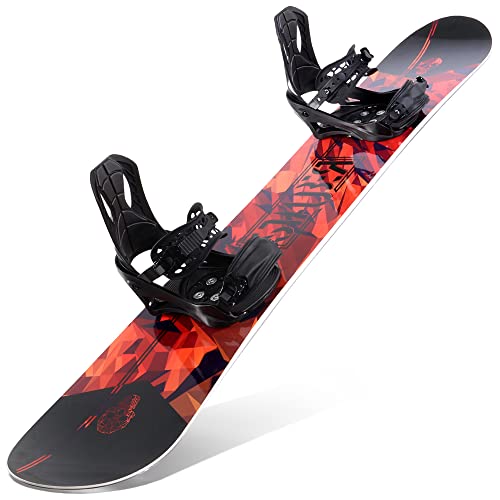
The STAUBER Summit package offers an all-mountain twin directional setup with a hybrid camber-rocker profile. This construction aims to prevent edge catching while maintaining pop, and the durable components include a white ABS sidewall, reinforced edges, and a robust wood core. The binding system is designed for quick mounting and reliable performance for riders of all levels, from beginners to advanced freeriders exploring groomers and powder alike.
5th Element Shock Snowboard – Freeride All Mountain

The 5th Element Shock is designed for beginner to intermediate riders seeking a forgiving yet versatile all-mountain ride. The board uses a rocker-flat-rocker profile to ease turn initiation and provide a playful feel in the park while maintaining control on the slope. A true twin design supports symmetrical control for freestyle maneuvers and all-mountain cruising, with Liquid Sidewalls for edge hold and durability on firm conditions.
Bataleon Whatever Directional Twin Snowboard

The Bataleon Whatever combines a directional twin outline with a versatile 3BT + Sidekick profile. It’s designed to excel in freestyle and freeride across park days, powder lines, and everyday resort terrain. The medium camber, combined with a twin all-mountain shape, provides balanced edge hold, stability, and pop. It caters to riders who value a broad performance envelope in a single deck.
Buying Guide
- Board shape: Twin vs directional. All-mountain twins offer symmetrical control for park tricks and balanced carving in powder, while directional twins emphasize stability for faster speeds in variable snow.
- Camber profile: Camber underfoot with rocker tips or flat-to-rocker designs tend to deliver edge grip and pop, with varying float in powder. Choose based on preferred turn initiation and terrain mix.
- Flex and dampening: A medium flex across all-mountain twins supports a mix of stability at speed and playfulness for jumps, while dampening affects landings on hard pack and hard-pack snow.
- Construction and core: Wood cores paired with durable sidewalls and reinforced edges improve longevity and performance on diverse slopes. ABS sidewalls and reinforced edges help with impact resistance and durability in park terrain.
- Size and rider weight: Select a length that allows a comfortable stance and predictable control. Taller and heavier riders often benefit from longer boards for stability, while lighter riders may prefer shorter boards for easier maneuverability.
- Binding compatibility: Ensure the board’s mounting pattern (e.g., 2×4) matches your bindings. Some packages include bindings designed for quick setup and reliable response across terrain.
- Intended terrain mix: If you ride more powder or backcountry, a board with float-optimized nose/tail and rocker profiles can improve performance. For park-focused riding, look for a board with pop and a balanced flex.
- Maintenance: Regular wax and base maintenance extend glide, speed retention, and edge performance. A well-kept base helps preserve speed in varied snow conditions.
- Budget and updates: Consider upgrade options like new bindings or protective gear that complement a versatile all-mountain setup rather than swapping boards annually.
These considerations help compare boards for mixed American conditions—from powder days in the Rockies to groomers in the Northeast. The five exemplars above offer a spectrum of all-mountain twin or near-twin configurations with varied camber, flex, and durability characteristics, enabling riders to select a deck aligned with their preferred riding style and terrain access.