
In this guide
Choosing the right rope is essential for alpine climbing, where dependability, weight, and performance under cold, windy conditions matter most. This guide highlights five rope options that balance safety, handling, and practicality for high-altitude routes. Each product reflects robust construction, tested strength, and suitability for alpine environments. Below is a quick summary of the selected items to help you compare options at a glance.
| Product | Brand | Type | Key Benefit | URL |
|---|---|---|---|---|
| AOLEBA 8.5mm Static Climbing Rope | AOLEBA | Static Rope | CE certified, UV-resistant, abrasion-proof | View |
| EDELRID Boa 9.8mm Dynamic Rope | EDELRID | Dynamic Rope | Thermo Shield handling, kink-free 3D lap coil | View |
| GINEE 10mm Rock Climbing Rope | GINEE | Static Rope | Multi-core polyester, high tensile strength | View |
| NTR Climbing Rope 8mm | NTR | Static Rope | Industrial-strength construction, low water absorption | View |
| GM CLIMBING 11mm UHMWPE Sling | GM CLIMBING | UHMWPE Sling | Lightweight, high strength, low water absorption | View |
AOLEBA 8.5mm Static Climbing Rope

AOLEBA’s 8.5mm static rope emphasizes durability and control for fixed-line work, rappels, and rope management on alpine routes. The rope features a 48-thread reinforced polyester sheath with 14 solid inner cores, delivering dependable strength with low stretch. CE Certification for EN 892 standards confirms compliance with safety expectations for climbing gear. The rope’s UV resistance and abrasion-proof construction extend service life in exposed environments. With a static elongation rate under typical loads, it helps maintain predictable belay and ascent dynamics on ice and rocky features.
Key considerations for alpine use include knot security, handling through belay devices, and minimal elongation under load. AOLEBA meets these needs while providing a reasonable diameter for rappel efficiency and compatibility with standard anchors. Light weight helps with pack efficiency on long approaches. Consider pairing with appropriate anchors and a back-up device for traverses and ice sections.
EDELRID Boa 9.8mm Dynamic Rope

EDELRID Boa is a 9.8mm dynamic rope designed for climbers who need reliable buffering in fall arrest scenarios on alpine routes. The rope employs Thermo Shield treatment to optimize handling, reducing stiffness in cold conditions and improving braid resilience against creases and kinks. The 3D lap coil design supports immediate, kink-free use straight from the reel, which is advantageous for quick belays and rapid setup on high-angle terrain. The rope’s dynamic core provides energy absorption to mitigate fall forces, contributing to climber safety on mixed ice and rock sections.
When choosing a dynamic alpine rope, consider impact force, elongation, and sheath protection. Boa’s construction prioritizes smooth handling and predictable stretch, which helps with technical moves and long glaciers. Always verify compatibility with your rope bag, belay device, and harness. Environmental conditions such as cold temperatures and ice can influence stiffness, so a rope that remains flexible is beneficial on long days in the mountains.
GINEE 10mm Rock Climbing Rope
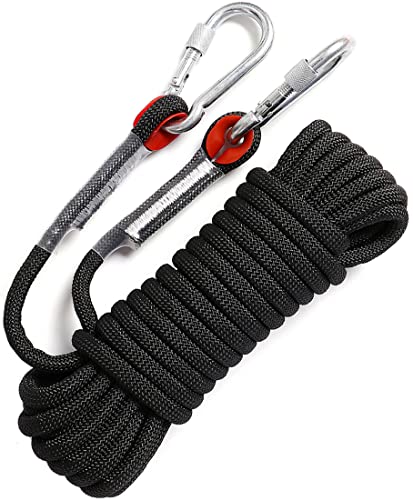
GINEE’s 10mm static rope emphasizes rugged durability for alpine traverses, fixed lines, and rescue scenarios where high tensile strength matters. The rope is constructed with a multi-core polyester structure designed to resist abrasion and maintain core integrity under repeated loading. A 10mm diameter offers a balance between handling and rope resistance in belay devices, particularly on longer approaches and synthetic anchor systems. Static ropes like this deliver low stretch, enabling precise rope management on fixed lines and rope systems used during mountain rescue drills or alpine climbs with fixed belays.
Important considerations for static alpine use include rope wear resistance, sheath integrity, and compatibility with your belay setup. While static ropes excel at fixed-line efficiency, they require careful handling during belays and ascents because of limited dynamic elongation. Pair with proper kneepads, anchors, and redundant safety measures to manage edge-exposed sections and load-bearing anchors on alpine routes.
NTR Climbing Rope 8mm

NTR’s 8mm climbing rope provides a compact, lightweight option for alpine use where pack weight is a concern. This static rope features a robust four-strand core and a water-repellent outer sheath designed to resist water absorption in damp alpine environments. The rope’s construction aims to maintain strength under load while keeping weight down for approaches and rope transit over exposed ridgelines. A thermally sealed end cap helps prevent fraying and protects rope integrity during long expeditions.
Consider static rope choices like this when you need efficient hauling, rappelling without excessive bulk, or fixed-line setups on ice and rock routes. For days with variable weather, confirm compatibility with your belay devices and consider field wear-resistance strategies, including sheath protection and proper rope handling techniques to mitigate cut risks from rock edges or ice tools.
GM CLIMBING 11mm UHMWPE Sling

GM CLIMBING offers an 11mm UHMWPE sling designed for ultra-lightweight strength and ease of handling. While not a rope, UHMWPE slings are frequently used in alpine kits for quick anchor building, runners, and linking gear with high strength-to-weight ratios. This model is CE and UIAA certified, reflecting adherence to safety standards in alpine hardware. The sling’s 30 cm length is compact, with versions available in longer lengths to accommodate different anchor configurations and quick extension for alpine rappels or belay setups. Its flexible, low-water-absorption properties help it remain reliable in freezing conditions.
When integrating a sling of this type, assess knot security, compatibility with carabiners, and how it complements rope systems for anchors and dynamic protection. In alpine environments, combining slings with traditional slings and runners can reduce gear bulk while maintaining essential redundancy for anchor-building on exposed routes.
Buying Guide: Alpine Climbing Rope Considerations
- Rope type and use-case: Dynamic ropes are preferred for lead climbing and belays with fall potential, while static ropes are suited for fixed lines, rappels, and rescue tasks. Alpine routes often benefit from a mix, depending on ice, rock, and approach length.
- Diameter and weight: A balance between maneuverability and strength matters. Thinner ropes save weight but can be harsher on belay devices and edges; thicker ropes offer durability and easier handling in cold conditions.
- Strength and elongation: Dynamic ropes are rated by impact force and elongation under load. For alpine use, moderate elongation helps absorb fall energy; too much elongation can reduce control on technical sections.
- Water absorption and freezing: Ropes that absorb less water stay more flexible in cold, wet environments and are less prone to freezing. Consider fibers and sheath design that minimize water uptake.
- UV and abrasion resistance: Alpine environments expose ropes to sun and rough rock or ice. Look for UV-resistant sheaths and abrasion-proof constructions.
- Connector compatibility: Ensure rope ends, splicing methods, and rope-end treatments align with your belay devices, harnesses, and carabiners. Some ends use heat-sealed or bar-tacked finishes to prevent unraveling.
- Maintenance and care: Clean ropes after exposure to grit, ice, or salt. Inspect for sheath slippage, core damage, or fraying before every climb. Dry thoroughly after wet use to maintain performance.
- Redundancy and routing: Alpine safety often benefits from multiple lines and anchor redundancy. Plan gear where a fixed-line option accompanies dynamic rope use for traverses and crevasse work.
These considerations help ensure you select ropes and related gear that align with the specific alpine routes you pursue. Always prioritize certified products and adhere to manufacturer guidance for usage and care. The selected items above offer a range of choices for alpine climates, including dynamic handling, static reliability, and accessory versatility to support safe, efficient mountain climbing.