
In this guide
- Brett Bros. Thunder Bamboo/Maple Wood ASA Slow Pitch Bat
- Tucci SB1 Maple Wood Bat
- BamBooBat Bamboo Wood Slowpitch
- Brett Bros. G5B Superlight ASA Softball Bat
- DeMarini 2025 Corndog Wood Composite
- Camwood Softball Training Bat (Adult 32-inch)
- Rawlings Wood FUNGO Training Bat
- Buying Guide: Key Considerations For Choosing ASA Wood Bats
Choosing an ASA-approved wood softball bat shapes your performance at the plate and in the field. The bats below come from trusted brands, feature ASA or equivalent approval, and balance power with control. This guide highlights five wood and wood-composite options, detailing their construction, grip, and intended play style to help players pick the right bat for their ASA league needs.
| Product | Brand | Type | Approx. Length/Weight | Key Benefit |
|---|---|---|---|---|
| Brett Bros. Thunder Bamboo/Maple | Brett Bros. | Wood | 33″ 27 oz | Balanced swing, bamboo core with maple barrel |
| Tucci SB1 Maple Wood Bat | TUCCI | Wood | 34″ (varies) | Premium maple, maximum compression |
| BamBooBat Bamboo Wood Slowpitch | BamBooBat | Wood | Standard 34″ (typical) | ASA approved, balanced, extended barrel |
| Brett Bros. G5B Superlight | Brett Bros. | Wood | 33″ (approx) | Lightweight design for quick swing |
| DeMarini Corndog Wood Composite | DeMarini | Wood/Composite | 34″/27 oz | Pro maple barrel, Paraflex handle |
Brett Bros. Thunder Bamboo/Maple Wood ASA Slow Pitch Bat

The Brett Bros. Thunder pairs a bamboo core with a maple outer layer, producing a stepped balance between durability and pop. With a 2 1/4 inch barrel and a one-piece design, this bat emphasizes a controlled swing with a steady feel through the contact zone. The construction aims for reliable performance in ASA slow-pitch leagues, where edge control and consistency matter. This versatile bat suits players who want a traditional wood swing with added resilience from the bamboo core.
Players consider this model for its balanced swing feel, which can reduce muscle fatigue over longer innings. The bamboo-core design supports good exit speed without the stiffness of some traditional woods. Those preferring a slightly heavier end can still find a comfortable balance thanks to the barrel-to-handle ratio. This is a standout option for front-line fielding and at-bat versatility in ASA play.
Tucci SB1 Maple Wood Bat

Tucci’s SB1 Maple Wood Bat is positioned as a premium choice for serious wood-wielding players. The 2 1/4 inch barrel is ASA-approved, ensuring compliance for league play while offering strong compression for a lively feel. The natural/black finish and traditional knob handle contribute to a classic bamboo-free wood experience with dependable performance. The SB1 is designed to maximize power transfer on contact, making it a preferred option for bat speed and raw distance in competitive settings.
Engineered for high-performance players, this bat’s premium wood quality supports consistent durability through long seasons. The steel-burnished finishing process helps preserve compression, contributing to predictable response with each swing. Those who value a traditional wood aesthetic paired with modern performance will find the SB1 aligns with their expectations for ASA play.
BamBooBat Bamboo Wood Slowpitch

BamBooBat’s model emphasizes ASA approval with a 2 1/4 inch extended barrel and a 7/8 inch handle, designed for balance (cupped end) and control. The cupped end barrel is intended to optimize swing speed and contact quality, particularly for players who want a more forgiving response at contact. The leather-wrapped grip enhances comfort and control, which can help maintain a smooth stroke throughout a game. The wood-bamboo hybrid approach aims to combine durability with enhanced performance in ASA leagues.
This option is attractive for players looking for a durable alternative to pure maple or ash, while still maintaining a wood-based feel. The extended barrel can provide a bit more reach without sacrificing balance, making it suitable for players who prefer a slightly longer construct for their at-bats in competitive slow-pitch play.
Brett Bros. G5B Superlight ASA Softball Bat
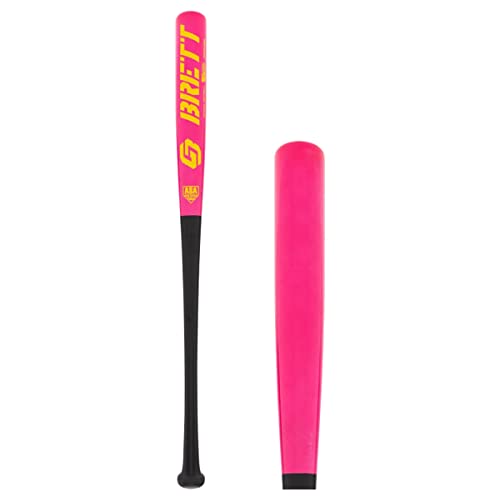
The G5B Superlight is designed for players seeking a lighter swingweight without sacrificing wood performance. With a 2 1/4 inch barrel and an approximate drop that favors quicker swings, this bat targets bat speed and contact precision. The Neon Rose Pink variant adds visibility for players who prefer a distinctive look at the plate while maintaining a traditional wood feel. While not every manufacturer lists exact weight, the focus is on a lighter profile ideal for contact hitters and players who value rapid swing through the zone in ASA events.
Balance and weight distribution are critical with this model. The lighter overall mass can help players generate faster bat motions, translating into improved plate discipline and quicker adjustments to different pitches. This bat is well-suited for players who prioritize speed over raw power in ASA games where contact and placement often define the outcome of at-bats.
DeMarini 2025 Corndog Wood Composite

The 2025 Corndog combines a maple barrel with a Paraflex composite handle for enduring performance and feel. The continuous taper on the handle contributes to a smooth transition from swing to contact, with a design that prioritizes balance and control. The 34″/27 oz specification is a common setup for players who want a measured combination of reach and mass to drive the ball effectively. This model represents DeMarini’s approach to a hybrid wood-composite construction that can offer stability and performance across varying field conditions.
For players who want a longer barrel through the zone without compromising control, the Corndog series provides a balanced option. The blend of maple and composite materials supports durability while maintaining a confident feedback at contact, essential for players who rely on precise swing timing in ASA competition.
Camwood Softball Training Bat (Adult 32-inch)
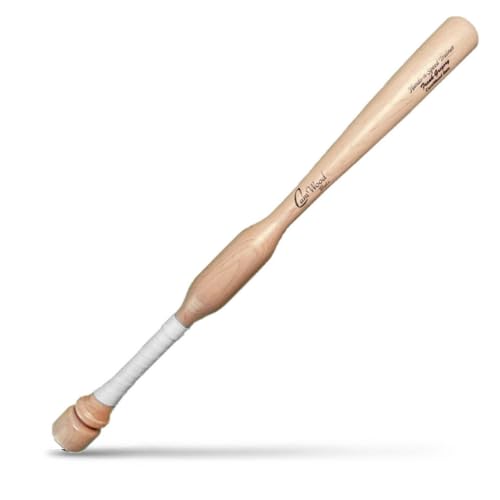
The CamWood Training Bat is designed for developing proper swing mechanics and increasing bat speed. A 32-inch adult model focuses on creating a better hand path to the ball and preventing casting. Used by several college softball programs, this bat emphasizes training outcomes—improved swing plane, quicker hands, and a more efficient approach at the plate. While primarily a practice tool, its design can translate to improved in-game performance for wood-based ASA play.
In practice, players use training bats to refine timing and hand positioning. CamWood emphasizes feedback through connection between swing mechanics and contact quality, supporting players who want to maximize efficiency with every swing during drills or pre-game warm-ups.
Rawlings Wood FUNGO Training Bat

The Rawlings Fung0 training bat is designed for fielding practice and general training, featuring a Northern ash composition and a cupped barrel for a lighter, balanced feel. While primarily used for practice and fielding drills, this fungo-style bat helps players build accuracy, hand-eye coordination, and passive swing mechanics—skills transferable to regular at-bat performance in ASA games. Its lighter weight and balance support long session use without excessive fatigue.
As a fielding-focused training option, it complements wood-based ASA bats by improving the overall defensive and offensive readiness of players who are developing consistent contact and situational awareness at the plate.
Introduction Summary
Wood and wood-composite bats can offer durable performance with a traditional feel for ASA softball. The five highlighted models provide a range of swing weights, barrel profiles, and balance points to suit different playing styles—from power hitters seeking maximum barrel speed to contact hitters prioritizing control. Each option adheres to ASA standards, ensuring compliance during league play. The following buying guide compares material choices, weight distribution, and durability considerations to help players decide which bat best fits their ASA season goals.
Buying Guide: Key Considerations For Choosing ASA Wood Bats
- Material and construction: Maple, ash, bamboo, and wood composites each provide distinct feel, pop, and durability. Maple typically offers the stiffest feel and strong durability; bamboo cores can improve resilience and weight balance; wood composites blend characteristics for a smoother swing.
- Barrel size and balance: A 2 1/4 inch barrel is common in ASA wood bats. Players preferring quicker swing speeds should favor lighter swings or a more balanced weight distribution, while power hitters may opt for heavier end-weight for additional momentum through contact.
- Length and weight (drop): The length must fit the player’s height and stance. Weight distribution (drop) influences swing speed and bat control. Shorter bats with heavier weights can maximize control, while longer bats with lighter weights improve reach and speed.
- ASA compliance: Ensure the bat is explicitly approved for ASA play or listed as suitable for slow-pitch ACS or equivalents if applicable. Certification affects permissible bat performance in league games.
- Grip and handle: Handle diameter and grip material influence comfort and touch at contact. Some players prefer textured or leather grips for reduced slip and a secure hold during long games.
- Durability and warranty: Wood bats are typically more prone to cracking than composites, but premium woods and bamboo blends can offer strong durability. Some brands provide warranties or performance assurances on their wood options.
- Training vs. game-use distinction: Training bats (like fungos or practice bats) are optimized for fielding, swing mechanics, and drill speed, not for competitive at-bats. Separate practice tools from in-game bats to maintain performance integrity.
- Grip feel and transition: Switching between models with different feels can affect player confidence at the plate. When possible, test swings or rely on trusted brands with consistent manufacturing standards.
- Maintenance: Wood bats require proper care to prevent cracking and surface damage. Avoid extreme temperature changes, inspect for cracks, and rotate bats to minimize wear on the hitting surface.
In ASA competition, selecting the right wood or wood-composite bat means balancing comfort, swing speed, contact quality, and durability. By evaluating the material, weight distribution, and how the barrel profile aligns with your hitting style, you can identify a bat that improves your on-field consistency across a full season.