
In this guide
Finding the right back foam roller can help ease tight muscles, improve mobility, and support post-workout recovery. This guide highlights five top options designed for back-focused therapy, deep tissue massage, and overall myofascial release. Each pick offers unique density, textures, and features to match different needs—from beginners seeking comfort to athletes pursuing intense tissue work.
| Product | Brand | Length / Density | Key Benefit |
|---|---|---|---|
| 321 STRONG Foam Roller | 321 STRONG | 12.75″ x 5.25″, Medium Density | Deep tissue massage with 3D grid zones |
| Amazon Basics High Density Foam Roller | Amazon Basics | 18″ x 6″, High Density | Firm and durable for full-body work |
| TriggerPoint Grid 1.0 Foam Roller | TRIGGERPOINT | 13″, Multi-Density | Versatile, therapist-like massage feel |
| The Original Body Roller | The Original Body Roller | 13″ x 5.5″, High Density | Dual grid with finger and ridged zones |
| ProsourceFit High Density Foam Roller | ProsourceFit | 12″ x 6″, High Density | Stable, full-body support with body awareness |
Note: This article focuses on back-friendly foam rollers and emphasizes features that support back relief, mobility, and general recovery. Each product includes a set of benefits suitable for different stages of rehabilitation or training cycles.
321 STRONG Foam Roller – Medium Density Deep Tissue Massager

The 321 STRONG model features a 12.75″ x 5.25″ footprint with a lightweight yet rugged core. Its EVA tread and triple-grid 3D massage zones mimic the therapist’s fingers, palm, and thumb, delivering a focused back-release experience. The medium-density foam balances comfort and penetration, making it suitable for beginners while still addressing deeper muscle layers. It supports improved blood flow and helps flush lactic acid post-workout, aiding recovery and flexibility.
Key considerations: medium density, accessible for new users, and effective for back and shoulder work. It’s described as soft enough to manage pain from lower back issues while still delivering meaningful tissue release. Users can pair rolling with a stretching routine to maximize benefits.
Amazon Basics High Density Foam Roller
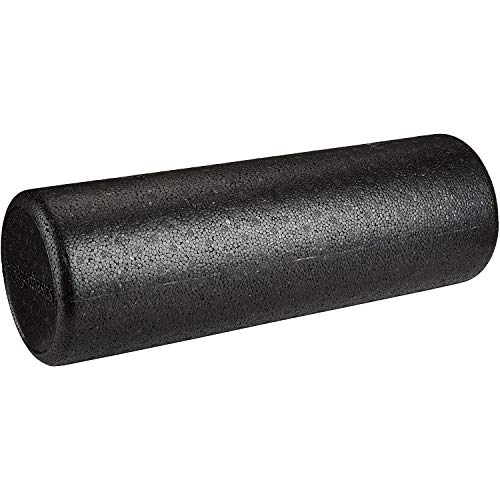
This 18-inch high-density roller is designed for balance, strengthening, and flexibility work. The firm, durable polypropylene construction helps it hold shape under pressure, with molded edges for added comfort during back-focused routines. Its high density offers a solid surface that lends itself to deeper tissue work without sacrificing stability, making it a solid choice for consistent back therapy and full-body mobility training.
Key considerations: durability, stability, and suitability for a range of back and core exercises. It’s a versatile option for users who want a straightforward, robust roller for regular use.
TriggerPoint Grid 1.0 Foam Roller

The TriggerPoint Grid 1.0 Foam Roller is a 13″ multi-density roller featuring a three-dimensional surface that enhances tissue aeration and blood flow for recovery. Its proprietary Distrodensity Zones provide varied firmness, allowing targeted work on tight back muscles and surrounding soft tissue. The design supports a personalized experience by enabling different ridges to target specific areas, including the upper and lower back, and the rhomboids.
Key considerations: multi-density construction, a more therapist-like massage, and targeted back muscle relief. This roller is well-suited for users seeking a customizable, deeper back massage with improved circulation.
The Original Body Roller
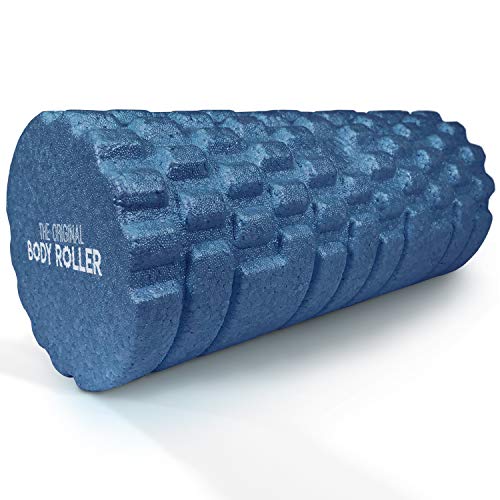
The Original Body Roller emphasizes a high-density construction with a dual grid design. Its 12.5 x 5.5-inch dimension and 3D textured rollers replicate finger-like pressure for precise back release. The roller promotes pre- and post-workout conditioning and stretching, helping identify and release trigger points in back muscles. A heavy-duty EPP core provides durability while remaining comfortable for beginners, making it a reliable option for regular back-focused therapy.
Key considerations: finger-zone ridges on one side and spiked bumps on the opposite, designed for deep tissue work and trigger point release along the back and legs.
ProsourceFit High Density Foam Roller

The ProsourceFit high-density roller measures 12 inches by 6 inches and targets full-body mobility. It provides a firm massage that is effective across back, legs, neck, calves, IT band, hamstrings, lats, and glutes. The high-density foam helps maintain shape during use and supports heavier users. It’s suitable for all fitness levels and offers instability for Pilates core work to improve balance and body awareness during back-focused routines.
Key considerations: full-body versatility, robust density, and suitability for users seeking a durable tool that supports a range of exercises beyond back work.
Buying Guide: How To Choose The Right Back Foam Roller
Density and texture: For back work, density affects the depth of tissue release. Medium-density options offer a balance of comfort and penetration, while high-density models provide firmer pressure for deeper release. Texture can be smooth or multi-density grids that mimic hands and fingers for a therapist-like feel.
Length and shape: Longer rollers (18 inches) are versatile for back coverage, while 12–13 inch options focus on smaller regions or targeted work. Some models include dual-grid designs or ridges to target specific areas like the thoracic spine and shoulder blades.
Durability and materials: Look for EVA or EPP cores with a foam outer layer that maintains shape under repetitive use. Durable construction reduces squeaks and deformations over time, especially for heavier users or frequent sessions.
Targeted therapy vs. general mobility: If you primarily need back relief, choose rollers with zones that mimic massage therapist hands or feature multi-density surfaces that facilitate trigger point release. For broader mobility and core work, a standard high-density roller with a flat profile can be a practical choice.
Accessibility and versatility: Consider whether you want a simple back roller or a kit that includes accessories like massage balls, stretching straps, or sticks. Kits can offer a comprehensive back rehabilitation and stretching routine in a single purchase.
User experience: Review the ease of use, comfort level, and whether the roller suits beginners or advanced users. Availability of guidance, such as included eBooks or exercise guides, can help maximize benefits.