
Best Battle Ropes for Beginners: Easy Start Guide and Top Picks
Answering the question, these battle ropes for beginners are ideal for safe, effective full-body workouts without requiring advanced technique. The best options suit new exercisers seeking straightforward rope work, compact setups for home gyms, and durable builds for steady progress. In this guide, you’ll see easy-to-use choices for starting stronger, with quick notes on who each product is best for and why it stands out.
Summary table of selected products:
| Product | Best For | Key Feature |
|---|---|---|
| Amazon Basics Battle Rope | Beginner home gym users seeking durable entry rope | 3-strand Dacron construction with protective sleeve |
| MECCANIXITY Battle Rope (10 ft) | Full-body workouts with durable, plastic-coated handles | Polyester rope, sturdy end caps, plastic-coated handles |
| Tapout 9.5-Foot Battle Rope | Space-conscious users needing a compact, reliable rope | Durable design with ergonomic handles |
| Aoneky 25ft Battle Rope | Beginner and youth workouts; easy grip | Nylon braided rope with rubber handles |
| Pinailon Ropeless Battle Rope | Portable workouts anywhere; low-impact option | Weighted ropeless design with non-slip handles |
Amazon Basics Battle Rope for Home Gym
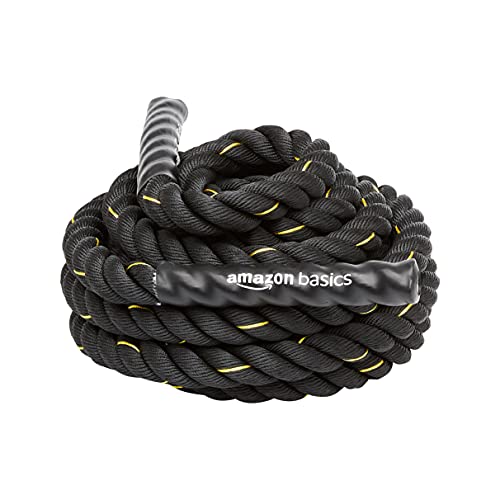
- Type: 1.5 inch diameter, 30 feet, 100% Poly Dacron with a 3-strand twisted design.
- Protective features: 600D Oxford sleeve, heat-shrink end caps to reduce fraying.
- Visibility: Orange/yellow tracking line for maintenance and safety.
Best for: Beginners who want a sturdy, budget-friendly option for home workouts. The protective sleeve and clear visibility lines help new users stay safe and monitor wear. Caution: A larger diameter may require more grip strength initially; consider a lighter alternative if fatigue is immediate.
COCTN Weighted Ropeless Battle Rope

- Rope design: Precision steel core, weighs 1.61 lb for resistance without traditional rope setup.
- Handles: Non-slip rubber handles; ergonomically designed for wrist protection.
- Versatility: Suitable for HIIT, strength, cardio, and low-impact training.
Best for: Users who want a cordless option that reduces space needs while delivering noticeable resistance. Caution: Heavier design may feel different from standard ropes; adapt movements to maintain form.
2Pcs Ropeless Battle Ropes (Souly)
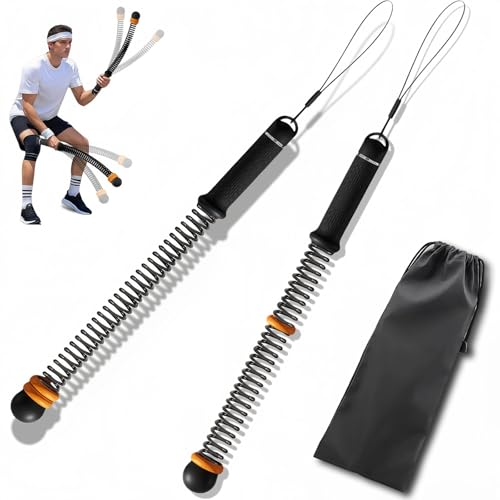
- Rope: Ropeless, cordless design with 1.61 lb weight per rope, compact and portable.
- Grips: Ergonomic, non-slip handles with secure fastening to prevent loosening.
- Scope: Full-body HIIT, cardio, and strength training with potential to burn calories efficiently.
Best for: People who want minimal space needs and quiet, portable workouts. Caution: Ensure you have stable anchors or use a ropeless setup in open areas to maximize safety.
Aoneky 25ft Battle Rope

- Diameter and length: 7/8 inch x 25 feet; designed for beginners and youth.
- Material: Braided nylon with rubber handles for secure, non-slip grip.
- Workout focus: Versatile for cardio endurance and arm/shoulder development, suitable as a foundational tool.
Best for: Beginners and younger athletes who benefit from a lighter, more manageable rope. Caution: Slightly shorter than standard adult ropes; plan space and capacity accordingly.
Pinailon Ropeless Battle Rope

- Weight: Each ropeless unit weighs 1.61 lb; designed for mobile, home gym use.
- Handles: Non-slip, long 8.66” heat-shrink handles for a comfortable grip.
- Training focus: Full-body workouts, HIIT and strength training with a portable footprint.
Best for: Users who want a portable solution that travels well and minimizes space needs. Caution: May require a secure anchor or setup to maximize resistance and safety.
Buying Guide: How to Choose Beginner Battle Ropes
What diameter should I pick? For beginners, a rope between 0.75 and 1.25 inches is often comfortable. A 1.25 to 1.5-inch rope can be great as you build grip, but start lighter if fatigue is immediate.
What length is right? Shorter ropes (8–10 ft) suit small spaces and slower movements; longer ropes (20–30 ft) enable full-body waves and more challenging routines as you advance.
Is ropeless or traditional rope better for beginners? Ropeless designs reduce space needs and wrist strain for new users; traditional ropes offer authentic resistance and classic training options, so choose based on space and wrist comfort.
What about handles and grip? Non-slip, sweat-absorbent grips help maintain form and reduce fatigue. Ergonomic designs that securely fasten prevent looseness during dynamic waves.
Durability and protection: Look for protective sleeves and reinforced ends to prolong rope life in regular use, especially for beginners who require consistent practice without frequent replacements.
FAQs
- Q: Are battle ropes safe for beginners with wrist issues? A: Choose ropeless or lighter ropes with non-slip handles and lower resistance to reduce strain, and progress gradually.
- Q: How often should a beginner train with battle ropes? A: Start with 2–3 sessions per week, 15–20 minutes each, focusing on form and controlled waves.
- Q: Do I need anchors for ropeless ropes? A: Ropeless designs are cordless; use appropriate anchors or a sturdy surface when needed for stability.
- Q: Can battle ropes help with weight loss? A: Yes, when combined with a balanced routine, battle ropes can contribute to calorie burn during HIIT and cardio work.
- Q: Which features indicate higher durability? A: Thick, multi-strand fibers, protective sleeves, heat-shrink end caps, and reinforced handles.