
Best Bicycle Tires for Snow: Durable Fat Tire Options for Winter Riding
Winter riding demands tires that grip ice, shed slush, and roll through soft snow without excessive weight or drag. This guide highlights five market-ready fat tire options designed to improve stability, traction, and durability on snowy surfaces. All selections are built to handle mixed terrain—from paved streets to off-road trails—while accommodating a range of bike styles, including fat bikes and electric assist models. Below you’ll find a quick product overview, followed by in-depth sections for each tire and a practical buying guide to help you choose the right fat tire for snow.
| Product | Wheel Size | Notes |
|---|---|---|
| NiuJKun 20″ Fat Tire | 20 x 3.0″ | All-terrain, anti-puncture; versatile across bikes |
| ZUKKA 24 x 3.0 Fat Tire | 24 x 3.0″ | Strong grip; excellent water drainage |
| WEEROCK 20″ Fat Tire | 20 x 4.0″ | Two-pack; solid snow/ice traction |
| BALINGE 20 x 3.0 Fat Tire | 20 x 3.0″ | All-terrain compatibility; durable construction |
| BALINGE 20 x 4.0 Fat Tire | 20 x 4.0″ | Heavy-duty, versatile for snow and city |
NiuJKun 20-Inch Fat Tire for Snow and All-Terrain

The 20×3.0-inch fat tire from NiuJKun is designed for extreme durability and all-weather performance. It uses premium rubber with anti-puncture technology to reduce frequent flats. The tire is described as versatile enough for electric bikes, snowmobiles, and standard bicycles, making it suitable for riders who encounter variable winter conditions. Its distinctive motorcycle-style herringbone tread aims to offer a smooth ride across pavement, mud, and snow while maintaining protective traction.
ZUKKA Fat Tire Upgrade For Snow And Trails

ZUKKA offers a 24×3.0 tire option designed for snow and mixed terrain. It recommends inflating within 15-35 psi and emphasizes strong grip from a knobby tread pattern. The tire is noted for excellent drainage and stability on wet roads, helping riders maintain traction even in slushy conditions. A caution is provided to ensure the correct size is selected before purchase, given the wide range of fat tire options.
WEEROCK 20 x 4.0 Fat Tire Set
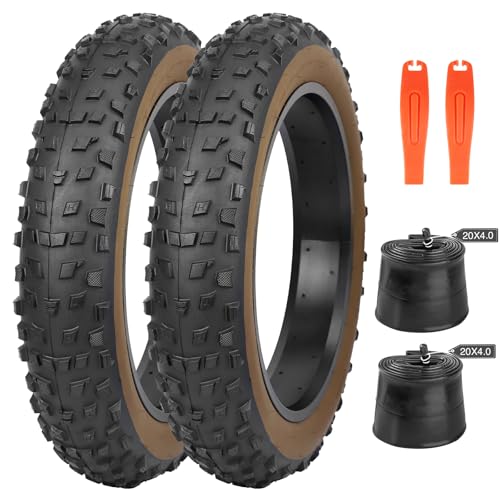
WEEROCK’s 20 x 4.0 fat tires (two-pack) are designed for snow bikes, electric bikes, and tricycles. Each tire weighs about 1.4 kg and is paired with an inner tube. They carry a max recommended inflation of 20 psi and feature raised tread patterns to improve grip on varied surfaces, including flat and mountainous terrains. The combination focuses on safer braking and enhanced stability in snowy environments.
BALINGE 20 x 3.0 Fat Tire

BALINGE’s 20×3.0 fat tire is pitched for rolling speed with minimal drag on hard-packed or paved terrain, while still delivering traction on sand, snow, and stone. The tire is marketed as compatible with fat bikes, E-bikes, mountain bikes, cruisers, and even snow bikes, suggesting broad adaptability for winter riders seeking reliable performance across surface types.
BALINGE 20 x 4.0 Fat Tire
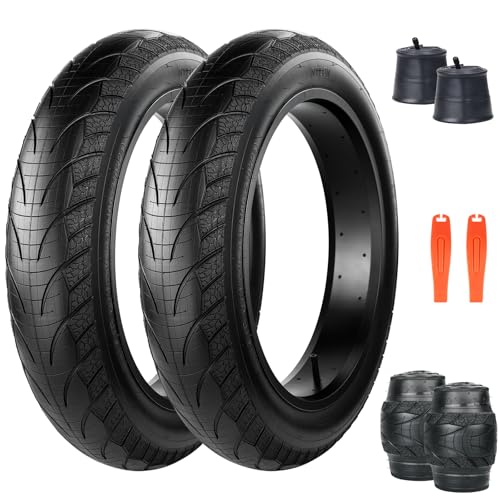
BALINGE’s 20×4.0 fat tire is described as heavy-duty and high-performance, with wear-resistant construction suitable for snow, sand, and urban roads. The package typically includes two tires, tubes, and levers, highlighting a ready-to-install solution for riders upgrading their winter setup. The design emphasizes superior shock absorption and traction across diverse winter surfaces.
WEEROCK 20 x 4.0 Snow Tire (White Wall)

WeeroRock’s 20 x 4.0 snow tire variant emphasizes strong friction for reliable braking and stability on various surfaces. The white-wall design is noted, and the tire is specified for 20″ bikes, tricycles, and electric bikes, making it a practical option for riders seeking enhanced grip in winter conditions along city streets or light off-road trails.
Buying Guide: Key Considerations For Snow Tires
- Wheel size compatibility: Ensure the tire size matches your bike’s rims (common sizes include 20×3.0, 20×4.0, and 24×3.0). Incorrect sizing can cause clearance issues or poor performance.
- Tread pattern: Knobby, multi-node patterns improve grip in snow and slush, while broader surfaces can aid float on deep powder. Consider a design that balances traction with rolling resistance for your terrain.
- Inflation range: Fat tires perform at lower pressures to maximize surface contact. Check recommended PSI (often 15-35 psi) and avoid under-inflation that risks pinch flats or over-inflation that reduces grip.
- Durability vs. weight: Heavier tires offer puncture resistance and stability but can affect acceleration and efficiency. Choose a balance that suits your riding style and terrain.
- Tube compatibility: Some tires are sold with tubes; others are tubeless-ready. Decide based on your rim compatibility and maintenance preference.
- Bike type compatibility: Fat tires can fit fat bikes, mountain bikes, E-bikes, or tricycles. Confirm compatibility with your bike’s frame and fork clearance.
- Durability features: Anti-puncture layers, quality rubber, and tread compounds influence longevity in winter conditions. Look for tires designed to withstand repeated cold-weather use.
- Drainage and water management: Good drainage helps prevent hydroplaning on wet roads. Consider tires with directional channels or multi-node grooves for efficient water evacuation.
- Installation considerations: Some tires require special levers or inner tubes. Review included accessories and whether you’ll need extra tools for installation.
| Category | What To Look For |
|---|---|
| Grip | Knobby tread, multi-node channels for wet and icy surfaces |
| Durability | Premium rubber, anti-puncture layers |
| Versatility | Compatibility with fat bikes, E-bikes, and trikes |
| Inflation | Low to moderate PSI (15-35 psi typical), check manufacturer guidance |
| Installation | Includes tubes/levers if needed; rim compatibility |