
In this guide
Bike speed sensors help riders track speed, distance, cadence, and training data with or without a head unit. This guide highlights five top sensors that pair via ANT+ or Bluetooth, work across indoor and outdoor setups, and offer easy installation on most bikes. Each entry includes a quick look at what sets it apart, plus practical notes for different riding goals like training, Zwift, or multi-bike setups.
| Product | Brand | Key Benefit |
|---|---|---|
| Garmin Wireless Bike Speed Sensor 2 and Cadence Sensor 2 Bundle | Garmin | No magnets; easy hub installation; strong compatibility with Garmin devices |
| Garmin Speed Sensor 2 and Cadence Sensor 2 Bundle | Garmin | Self-calibrating speed sensor; seamless data transfer to Garmin and apps |
| Magene S3+ Outdoor/Indoor Speed/Cadence Sensor | Magene | Single unit that tests speed or cadence; versatile mode switching |
| Wahoo RPM Cycling Cadence Sensor | Wahoo Fitness | Dual-band (ANT+/Bluetooth); strong app ecosystem and training integration |
| CYCPLUS Bike Speed and Cadence Sensor | CYCPLUS | Two-sensor package with multi-protocol support; easy setup |
The following sections cover five top choices in depth. Each entry stays under 250 words and includes a clickable Amazon link, a visual, and a concise feature summary drawn from the product’s listed specs.
Garmin Wireless Speed Sensor 2 & Cadence Sensor 2 Bundle

The Speed Sensor 2 attaches to the wheel hub, self-calibrating with Garmin Edge devices or compatible Garmin hardware to provide accurate speed and distance readings, even when the display isn’t actively used. The accompanying Cadence Sensor 2 fastens to any crank arm size and delivers pedal-stroke data to support cadence-focused training. Both sensors use ANT+ and Bluetooth Low Energy to stream live data to training apps or compatible displays, enabling seamless integration with Garmin Connect and other ecosystems. Installation is straightforward, with minimal alignment requirements and robust wireless reliability for road or MTB use.
Garmin Speed Sensor 2 & Cadence Sensor 2 Bundle

This bundle emphasizes magnet-free installation and easy transfer between bikes. The Speed Sensor 2 clips to a wheel hub and self-calibrates with Garmin devices to sustain accurate speed and distance data as you ride indoors or outdoors. The Cadence Sensor 2 attaches to crank arms of different sizes to measure pedal rotations per minute, offering actionable cadence data for training progression. With ANT+ and Bluetooth Low Energy compatibility, riders can broadcast live metrics to Garmin Connect, Zwift, training apps, or bike computers, reducing setup friction for multi-bike households.
Magene S3+ Outdoor/Indoor Speed/Cadence Sensor
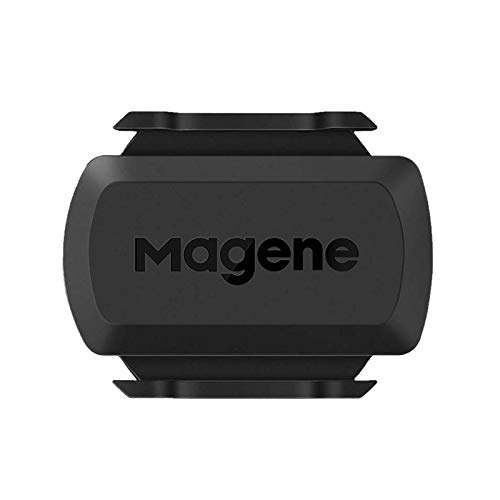
The Magene S3+ combines speed and cadence measurements in a single device, suitable for both indoor trainers and outdoor rides. It supports Bluetooth and ANT+ protocols, with a note that a single unit can switch modes between speed and cadence, so riders who want both metrics may need two sensors. The device is designed for compatibility with common cycling apps and bike computers, enabling live data streaming to compatible displays, training apps, or virtual platforms like Zwift. Battery handling and mode switching are straightforward, though users should confirm which mode is active before starting a session.
Wahoo RPM Cycling Cadence Sensor
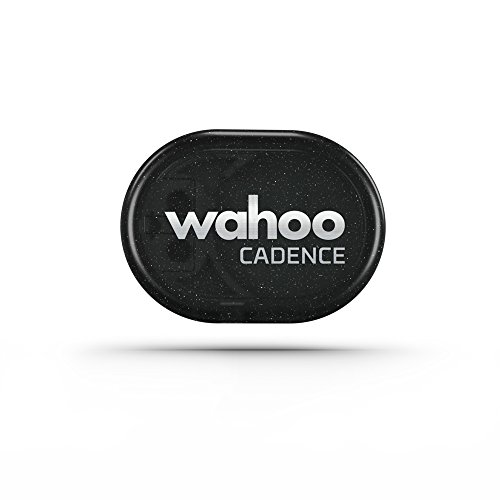
The Wahoo RPM Cadence Sensor focuses on cadence data, with dual-band technology that supports ANT+ and Bluetooth Smart connectivity. It streams cadence readings to compatible training apps, including Wahoo’s SYSTM and RGT, Zwift, and Peloton Digital on iOS. While primarily cadence-focused, its compatibility with a broad array of devices makes it a versatile choice for riders who want reliable cadence metrics across multiple platforms. Integration with popular apps can help quantify pedal efficiency and pacing strategies over varied workouts and terrains.
CYCPLUS Bike Speed & Cadence Sensor

The CYCPLUS package includes two sensors, enabling simultaneous speed and cadence measurements. It emphasizes Bluetooth and ANT+ multi-protocol support, making it compatible with a wide range of devices and apps. The kit includes features that let riders quickly switch between cadence and speed modes via a toggle, a practical option for those who want to test both metrics during a training session. This setup can be especially appealing for multi-purpose riders who use different apps or devices across bikes or workouts.
COOSPO Cadence & Speed Sensor (2-in-1)
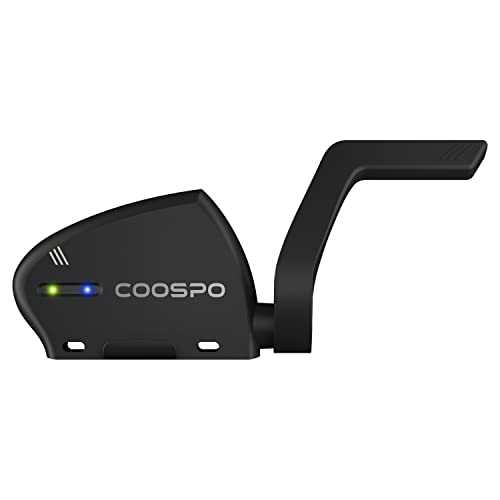
COOSPO’s 2-in-1 cadence and speed sensor delivers real-time cadence and speed data with Bluetooth and ANT+ compatibility. The BK805 installation design aims to fit most bikes and frame sizes with adjustable mounting, making it a flexible option for riders who switch between road and mountain bikes. The device supports connections to most fitness apps and bike computers, allowing for synchronized data across devices and platforms. It’s a practical choice for riders seeking a straightforward setup and broad device compatibility.
Buying Guide: Key Purchase Considerations
Volume and protocol compatibility: If you ride across multiple devices, choose sensors that support both ANT+ and Bluetooth Smart, ensuring broad compatibility with bike computers, phones, and apps.
Installation and transferability: Magnet-free designs that clamp to hubs or crank arms simplify installation and transfer between bikes. Look for easy setup and reliable recalibration when needed.
Single vs. dual-sensor configurations: Some models combine speed and cadence in one unit, while others sell as a pair. Decide whether you prefer a two-sensor system or a single, multi-mode device to reduce weight and potential maintenance.
App ecosystem and data sharing: Consider how readily data can be sent to Garmin Connect, Zwift, Peloton Digital, Wahoo apps, or other training platforms. Seamless data sync saves setup time and improves training analysis.
Durability and water resistance: For riders who train outdoors in varying conditions, check IP ratings or product descriptions that indicate weather resistance or robust mounting.
Battery life and replacement: Some sensors require battery changes; others use rechargeable power. Evaluate how often you’ll service the unit and whether quick replacement parts are available.
Overall, the best bike speed sensor setup blends accurate data, broad compatibility, and quick, hassle-free installation. For Garmin fans or riders who plan to use Garmin Connect or Edge devices, Garmin bundles offer strong ecosystem synergy. If you prefer platform-agnostic options, multisensor kits from Magene, Wahoo, and COOSPO provide flexible data streams across apps and devices. Align your choice with your current head unit, training apps, and the number of bikes you rotate between to maximize value and ease of use.