
In this guide
Choosing a creatine supplement for high school athletes involves balancing safety, purity, and practicality. This guide evaluates five widely available creatine products, focusing on unflavored or clearly labeled formulas, trusted certifications, and easy integration into a student-athlete’s routine. Each option is described with its core benefits, ingredient transparency, and how it may fit into school sports training while avoiding unnecessary additives or flavors. The goal is to provide a factual, objective overview that helps guardians, coaches, and student athletes make informed decisions.
Summary of selected products
| Product | Brand | Form | Key Point |
|---|---|---|---|
| Fluid Ultra-Fine Creatine Monohydrate | Fluid | Powder | |
| 8-in-1 Creatine Monohydrate Chewables | Sihat Sejahtera | Chewable Tablets | |
| Creapure Creatine Monohydrate Powder | Peak Performance | Powder | |
| Magnum Nutraceuticals Micronized Creatine 100 | Magnum | Powder | |
| ourui one Creatine HCL Gummies | ourui one | Gummies |
Fluid Ultra-Fine Creatine Monohydrate — Overview
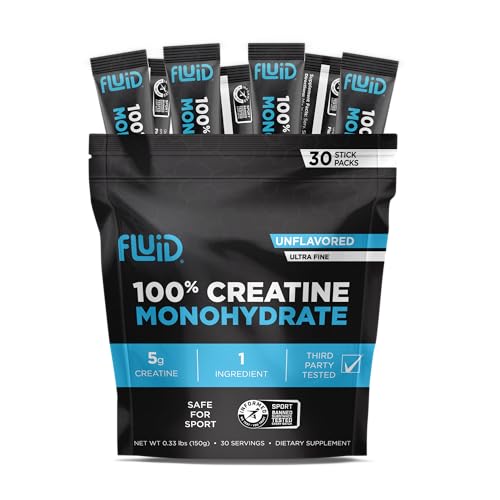
Fluid offers a straightforward, single-ingredient creatine monohydrate with ultra-fine micronization designed to dissolve easily in beverages. The product’s simplicity can be advantageous for high school athletes seeking predictable dosing without flavors or fillers. The Informed Sport certification indicates a level of testing for banned substances, an important consideration for student-athletes subject to drug-testing policies. The unflavored formulation allows students to mix into water, juice, or smoothies without altering taste profiles that coaches or parents may require. This option suits athletes who want a clean, easily swallowed supplement to support high-intensity training and recovery.
Potential considerations include ensuring consistent daily dosing (5 g per serving) and confirming that use aligns with team guidelines or school policies. While the label highlights “only one ingredient,” users should still monitor for any personal GI sensitivity, as creatine can cause mild stomach discomfort in some individuals. This product emphasizes purity and simplicity, which can be appealing for younger athletes who prioritize safety and straightforward supplementation routines.
8-in-1 Creatine Monohydrate Chewables — Overview

This product combines creatine monohydrate with BCAA, HMB, and electrolytes in a chewable tablet format. The blend targets multiple aspects of athletic performance, including energy production, recovery, and hydration balance. For high school athletes, the chewable format can be convenient for those who prefer not to mix powders or swallow capsules. The inclusion of electrolytes (magnesium, potassium, sodium, calcium) may help with hydration during practices or games, particularly in warmer climates or during longer training sessions.
Potential drawbacks include a higher serving size (5000 mg blend per chewable) and the need to verify that a student’s medical status or dietary restrictions align with such ingredients. The product’s flavor and texture are designed to be palatable, which can improve consistency of use among young athletes. As with any supplement, it should be used under supervision and in accordance with school or league guidelines to ensure it complements a balanced training plan.
True Athlete Kre Alkalyn Powder — Overview

True Athlete Kre Alkalyn uses a buffered creatine form to potentially reduce stomach upset and bloating for some users. This can be appealing to athletes who want to avoid discomfort during practices or games. The product is NSF Certified for Sport, which provides an added level of assurance regarding safety and compliance with athletic program standards. The buffering aims to stabilize pH levels and may support energy production during high-intensity efforts. This option is commonly reviewed for athletes seeking a more stable creatine experience without the need for additional fillers or flavors.
Considerations include evaluating the need for buffering versus standard creatine monohydrate and ensuring that the form aligns with a school’s supplement policy. As with all creatine products, it’s important to maintain proper hydration and consult with a coach, trainer, or healthcare professional before starting any new supplement regimen in adolescence.
Creapure Creatine Monohydrate Powder — Overview

Creapure is widely recognized as a high-purity German-made creatine monohydrate. The product is advertised as free from fillers, contaminants, and added flavors, aligning with preferences for clean, simple ingredients. The certification and labeling emphasize safety, kosher, halal, and vegan-friendly status, catering to a diverse set of dietary restrictions that may exist in a school setting. For high school athletes, Creapure can offer a reliable, straightforward creatine source that minimizes the risk of unwanted additives and ensures consistent mixing in beverages or smoothies.
Usage considerations include confirming the preferred method of consumption (mixed with water or in a smoothie) and monitoring hydration. While the product emphasizes purity, athletes should follow recommended daily serving guidelines and be mindful of school policies regarding supplement use among minors. This option is often chosen by families seeking maximum purity and a well-documented manufacturing standard.
Magnum Micronized Creatine 100 — Overview

Magnum Micronized Creatine 100 emphasizes high-purity monohydrate with micronized particles designed for faster dissolution and absorption. This can simplify mixing into beverages after school practices and supports ATP production during high-intensity activities. The product highlights potential benefits for strength, power, and endurance, while also noting recovery support. For younger athletes, the emphasis on high purity and efficient absorption can be appealing, reducing the chance of gastric upset or taste-related aversions that sometimes accompany creatine use.
Users should ensure alignment with team guidelines and consider a consistent daily routine, especially around training days. Adequate hydration is essential when using creatine supplements. While the product centers on performance benefits, it is important to integrate supplementation with a well-rounded diet and structured training plan for adolescent athletes.
ourui one Creatine HCL Gummies — Overview

These gummies use creatine HCl, an option some athletes find gentler on the stomach and easier to take than powders. The fast-absorbing formula claims quicker uptake into muscles, potentially supporting power and endurance during training. The blueberry-flavored gummies offer a convenient, kid-friendly alternative for busy high school athletes who may prefer a chewable format after practices. It is essential to verify serving sizes and consult with guardians or medical professionals to ensure suitability for adolescent growth and dietary needs. Hydration and balanced nutrition remain important alongside supplementation.
When considering gummy formats, athletes should monitor sugar content and assess how the product fits within the overall nutrition plan. While HCl forms can offer benefits in terms of digestion, they are still supplements and should be used as part of a broader training and dietary strategy, with supervision where required by school policies.
Buying Guide: Key Purchase Considerations
- Safety and purity: Look for third-party certifications, NSF Certified for Sport, and clearly labeled ingredient lists. For high school athletes, avoiding unnecessary additives or flavors is often desirable.
- Form and convenience: Powders, tablets, capsules, and gummies each have pros and cons. Choose a format that aligns with the student’s routine, adherence, and taste preferences.
- Certification and testing: Informed Sport, Creapure, and other certifications help verify product integrity and safety against banned substances.
- Hydration and dosing: Creatine typically requires consistent daily dosing with adequate water intake. Schools may have guidelines on supplementation; ensure compliance.
- Dietary compatibility: Vegan, kosher, or halal certifications may be important for some families. Choose products that match dietary needs.
- Potential GI effects: Some individuals experience stomach upset or bloating. Starting with a smaller dose or splitting the dose can help mitigate discomfort.
- Training alignment: Creatine is most effective when paired with a well-structured training plan and balanced nutrition. Supplements should not replace meals or sleep.
- Long-term considerations: Adolescents should consult healthcare professionals before starting any supplement, especially during growth and development phases.
In summary, the safest approach for high school athletes is to rely on products with strong safety certifications, minimal additional ingredients, and clear usage guidance. Always align supplement choices with school policies, coach recommendations, and healthcare advice to support athletic development responsibly.