
Best Gym Ball for Kids: Top Picks for Active Learning
Choosing a kid-friendly gym ball supports active learning, better posture, and focused playtime. The right ball can serve as a classroom seat, a physical therapy aid, or a fun toy that encourages movement. Below are five top selections designed for children, with features that promote balance, core strength, and safe, engaging use at home or in school settings.
| Product | Brand | Size / Type | |
|---|---|---|---|
| Gaiam Kids Balance Ball | Gaiam | 45 cm, stability ball | Active seating, exercise, focus |
| Active Seat Peanut Shaped Ball | Gaiam | Peanut-shaped, flexible seating | Wiggle management, classroom focus |
| ProBody Pilates Exercise Ball | ProBody Pilates | 65 cm, gym-grade | Fitness, stability, therapy |
| SURPZON Peanut Ball | SURPZON | 90×45 cm, peanut shape | Balance, core strength, therapy |
| Flybar Hopper Ball | Flybar | 18-inch hopper ball | Indoor/outdoor active play, coordination |
These selections emphasize safety, durability, and kid-friendly design, making them suitable for a range of ages and activities. Each product focuses on improving posture, balance, and cognitive engagement through movement, which can help kids stay attentive during homework or classroom tasks while providing a fun way to burn energy.
Gaiam Kids Balance Ball
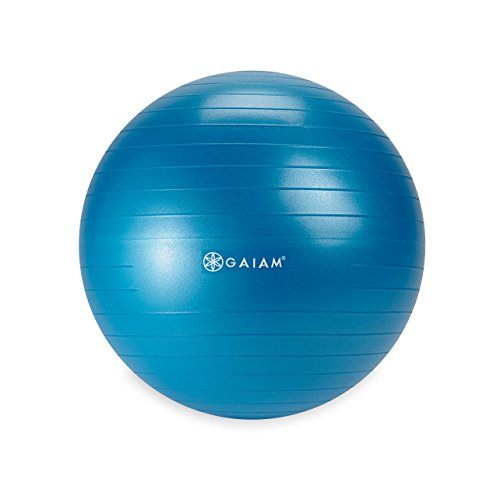
The Gaiam Kids Balance Ball is a child-sized 45 cm ball designed for exercise, yoga, and flexible seating. It doubles as an active seating option that encourages better posture and can increase blood flow to the brain, potentially improving focus and concentration. In classrooms or at home, kids can use it as a seat to reduce fidgeting while maintaining energy through subtle movement. Its compact size makes it a practical addition to desks or play areas, supporting active learning during screen time or independent study.
Active Seat Peanut Shaped Ball

This peanut-shaped, flexible seating option is designed to engage high-energy kids. It promotes healthy posture and core strength while encouraging movement. The ball’s wiggly, bouncing experience can help capture kids’ attention and sustain focus, making it a suitable alternative seating choice for classrooms or active learning corners at home. The design supports balance and coordination through continuous micro-movements, which can help reduce restlessness during lessons or reading time.
ProBody Pilates Exercise Ball

The ProBody Pilates Exercise Ball is a gym-grade 65 cm ball designed for fitness, stability training, and physical therapy. It’s constructed from anti-burst and slip-resistant PVC and supports substantial weight, making it suitable for a range of activities including pregnancy-related uses and overall core work. The set includes an inflator pump, plugs, and removal tools for quick setup. With multiple size options, it’s adaptable for growing children and different exercises, from thigh and abdominal work to balance drills that engage stabilizing muscles.
SURPZON Peanut Ball
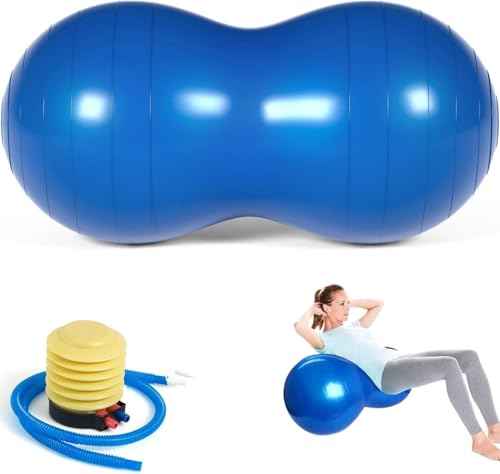
The SURPZON Peanut Ball focuses on pediatric-friendly balance and core strength. The peanut shape helps kids straddle and bounce, promoting posture and coordination while offering a controlled space for movement. An anti-burst feature adds safety for at-home use or in therapy sessions. The ball’s design supports physical therapy goals and general fitness, making it a versatile tool for kids’ development and active play in safe environments.
Flybar Hopper Ball

The Flybar Hopper Ball is an inflatable, handle-equipped hopper designed for indoor and outdoor play. It supports up to 165 pounds and comes with a hand pump for quick setup. Available in two sizes, it caters to a range of ages, promoting energetic, screen-free play that develops balance, coordination, and gross motor skills. Its simple design makes it a durable option for family use, classrooms, or playground environments where safe, active play is encouraged.
Buying Guide
- Age and size fit: Choose a ball that matches your child’s age and height. Smaller balls suit younger kids for simpler balance tasks, while larger, stability-grade balls support more advanced core work.
- Safety features: Look for anti-burst construction, non-slip surfaces, and valves that provide reliable inflation. A ball with a supportive grip reduces the risk of slips during movement.
- Intended use: If the goal is classroom seating and focus, prioritize flexible seating designs with good posture benefits. If emphasis is on physical therapy or fitness, select gym-grade or peanut-shaped options that encourage core engagement and balance.
- Durability and materials: PVC or vinyl balls should be puncture-resistant and easy to clean. Check for low-odor materials and absence of harmful additives for kid safety.
- Included accessories: Pumps, plugs, and replacement valves add value by simplifying setup and maintenance. Some sets include exercise guides for structured routines.
- Versatility vs. specialization: A multi-use ball may cover seating, therapy, and light workouts. Specialized peanut or hopper balls may offer more targeted balance or wiggle-support features for high-energy kids.
- Indoor vs. outdoor use: If you need an indoor option for classrooms, select compact, low-profile designs. Outdoor models should favor durable materials and stable inflations for uneven surfaces.
- Storage and portability: Consider deflation-friendly designs that are easy to store under a bed or in a cabinet when not in use.
In sum, each product supports motor development, posture, and engagement in play or learning contexts. When selecting a gym ball for kids, align the choice with the child’s activity level, safety needs, and the environment where the ball will be used most often.