
In this guide
When selecting a monocular for hiking, look for bright optics, sturdy build, and easy one‑hand operation. The following picks emphasize high magnification, durable designs, and practical features like smartphone adapters and tripods for sharing wildlife and scenery on trail days. Each option is suitable for hikers, bird watchers, campers, and outdoor explorers who want light, reliable optics without carrying heavy gear. The list below highlights five models that balance performance, portability, and value, helping you compare features at a glance.
| Product | Brand | Magnification / Objective | Key Benefit |
|---|---|---|---|
| Pankoo 16X52 Monocular | Pankoo | 16×52 | Bright, versatile for wildlife and scenery |
| 16X52 Monocular High Powered | Pankoo | 16×52 | Compact, easy single‑hand use |
| YEGASS 40×60 HD Monocular | YEGASS | 40×60 | High power with smartphone compatibility |
| FEEMIC 8×42 Monocular | FEEMIC | 8×42 | Wide view, rugged and waterproof |
| MD.LIFE 80×100 Monocular | MD.LIFE | 80×100 | Very high magnification with stability features |
Product Experiences For Hiking And Outdoor Viewing
Each monocular in this selection balances portability with optical performance, ensuring hikers can spot wildlife, distant landmarks, or trailside details with clarity. The models vary in magnification, lens size, and coatings, which influence brightness, edge sharpness, and field of view. For long treks, one‑hand operation and a compact form factor reduce fatigue and keep the focus on the outdoor experience. Several models also include practical extras like smartphone adapters and tripods, enabling easy photo and video capture of landscapes and wildlife. The following reviews summarize how each product performs in typical hiking conditions.
Pankoo 16X52 Monocular for Outdoors

The Pankoo 16X52 offers a solid combination of power and portability for hiking, bird watching, and travel. With a 16x magnification and a 52mm objective lens, users can achieve bright, detailed views of distant scenery and wildlife. The device is designed for one‑hand use, enabling quick adjustments to eye relief and focus while on the move. The BAK‑4 prism and multi‑coated optics contribute to higher contrast and clearer images, reducing edge blur in varied lighting. This monocular is particularly suited to hikers who need a reliable, compact optic without adding bulk to gear kits.
Key considerations include the balance between magnification and practicality on rough trails. At 16x, users should brace the monocular against their chest or a stable surface for long observations to minimize hand shake. The bright, high‑contrast images help in tracking birds or distant landmarks, and the monocular’s design supports swift grips for rapid scanning. While it excels for on‑trail viewing, longer treks with reduced sunlight may benefit from extra brightness features or a compact tripod for steady framing.
Pankoo 16X52 High Powered Observation
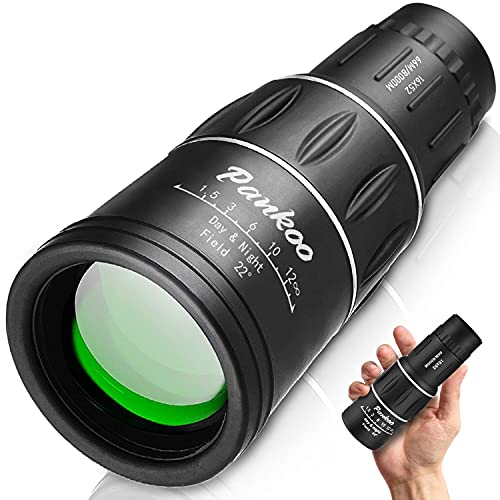
This second Pankoo model emphasizes high contrast and bright images through BAK‑4 prisms and fully multi‑coated lenses. The 16×52 configuration remains well‑suited for hikers who want detailed distant views without switching to bulky spotting scopes. The easy one‑hand operation and single‑focus wheel permit quick alignment when moving through forests or rough terrain. The device’s compact build encourages hikers to carry it in a side pocket or pack lid, making it a practical companion for trail days and scenic overlooks.
Potential trade‑offs include the need for careful eye cup adjustment to accommodate glasses or sunglasses, and the necessity of a steady hand or small tripod for max sharpness at 16x. In bright daylight, this monocular performs well, while overcast or dawn/dusk use may require gentle bracketing of distance for the best balance of exposure and edge clarity.
YEGASS 40×60 HD Monocular With Adapter

The YEGASS model trades some portability for a substantial 40x magnification and a 60mm objective, making distant scenery and wildlife more discernible. Its compact design and one‑hand operation support hikers who need to keep moving while scanning the landscape. The inclusion of a smartphone adapter enhances the ability to capture distant scenes for later sharing or reporting on wildlife sightings. The monocular’s fogproof and waterproof construction helps it withstand rainy or dusty trails, promoting reliable performance in varied outdoor environments.
Users should be aware that higher magnification magnifies handshake and movement. A stable grip or a lightweight tripod can improve image sharpness at 40x, especially in windy conditions or on uneven terrain. The brightness is strong in daylight, but trailing in lower light may require steady positioning and careful focusing to avoid image blur at the edges.
FEEMIC 8×42 Monocular: Wide View

The FEEMIC 8×42 monocular emphasizes a broad field of view and rugged build, offering a practical option for hikers who prefer quick, sweeping scans of terrain. The 8x magnification is easier to stabilize with one hand, reducing fatigue on long hikes while still delivering clear, bright images thanks to the FMC multi‑coated lens and BAK‑4 prism. Its waterproof and dust‑proof construction addresses exposure to rain, mud, or trailside dust, making it a solid all‑around choice for casual wildlife viewing and scenic observation.
For users who prioritize ease of use and steady viewing without a tripod, this model shines in quick spotting tasks. However, the lower magnification may miss fine details at longer distances, so pairing with a higher‑power optic for specific wildlife observations can provide a broader versatility set for hiking trips with varied scenery.
MD.LIFE 80×100 High Power Monocular

The MD.LIFE 80×100 monocular delivers exceptionally high magnification, appealing to hikers who want extreme detail on distant landscapes or wildlife. The device features a large 100mm objective, BAK‑4 prism, and FMC coatings to maximize light transmission and image brightness. A smartphone adapter and tripod compatibility enable easy photo documentation of distant subjects, which is valuable for nature journaling or field reports. While the zoom is impressive, users should be prepared for more pronounced image shake at 80x and may benefit from stabilization aids or a monopod to sustain sharpness during extended viewing sessions.
Depth of field and brightness improve with steady support, particularly on sunny days. This model is best suited for hikers who anticipate frequent long-distance observations and are willing to carry a slightly larger optic to gain superior detail. It pairs well with tripod setups for distant wildlife surveys, scenic panoramas, and documentation on rugged trails.
Buying Guide: Key Purchase Considerations
- Magnification vs. Field Of View: Higher magnification reveals more detail but reduces the field of view and increases the need for stability. Choose a balance that fits your hiking style and preferred viewing subjects.
- Objective Lens Size: Larger lenses capture more light for brighter images but add weight. A 52mm lens is a common sweet spot for many hikers seeking brightness without excess bulk.
- Optics Coatings: Fully multi‑coated lenses and BAK‑4 prisms improve brightness, contrast, and color fidelity, especially in dawn or dusk lighting conditions.
- Durability and Weather Resistance: Look for waterproof, fogproof, and shock‑resistant builds to withstand rain, dust, and rough trail use.
- One‑hand Comfort and Ergonomics: A compact, ergonomic body with a smooth focus wheel helps maintain quick, precise adjustments on the move.
- Accessibility Extras: Smartphone adapters, tripods, and carrying cases add versatility for photography, long observation sessions, and on‑trail sharing with friends or field notes.
- Portability vs. Performance: Decide whether you value ultra‑high magnification or overall ease of use and lightness. Some hikers prefer a dual‑option approach with a compact monocular for quick scans and a higher‑power unit for specific looks.
- Usage Scenarios: Bird watching, distant landscapes, travel documentation, and rugged outdoor environments each benefit from different optical traits. Align your choice with your most frequent activity on trails.
Overall, the best monocular for hiking should combine reliable optics, a comfortable form factor, and practical accessories that suit your typical trekking environments. Consider trying a few models in person if possible, or rely on detailed product specifications and user reviews to gauge real‑world performance before you buy. Remember to pack the monocular securely to avoid damage during long hikes and to maintain the device’s optical clarity for many adventures to come.