
In this guide
- GEWAGE 31.8 Inch Riser Handlebar With Wide Width
- groword 3D Forged Stem Riser, 28.6mm Fork Compatibility
- GEWAGE 31.8 Inch Riser Handlebar (Another 780mm Model)
- BNVB Wake 31.8 MTB Handlebar (Black, 720/780mm)
- TOBWOLF Stem Riser & Adjustable MTB Stem
- Buying Guide: Key Considerations For Choosing Mountain Bike Riser Handlebars
- Frequently Asked Questions
If you’re shopping for a mountain bike riser handlebar, you’re likely seeking improved control, better ergonomics, and a riding position that reduces fatigue on long rides. This guide highlights five top options that suit different riding styles—from aggressive downhill to all-mountain cruising. Each product is chosen for its compatibility with common 31.8mm clamp sizes, width around 720–780mm, and varying rise options. Whether you’re upgrading for a more upright posture, more aggressive reach, or a lighter, stiffer feel, you’ll find a fit here. The buyer profiles below indicate who benefits most from each pick.
| Product | Clamp / Width | Rise Options | Best For |
|---|---|---|---|
| GEWAGE 31.8 Bike Handlebar (780mm) | 31.8mm | 25/55/70/90/120mm | All-mountain riders seeking carbon-like chatter absorption |
| groword Bike Stem Riser (28.6mm Stem) | 31.8mm | Height adjustable to 150mm | Riders needing precise stem height and angle |
| GEWAGE 31.8 Bike Handlebar (780mm, 25/55/70/90/120) | 31.8mm | 25/55/70/90/120mm | City-to-all-mountain transition with ergonomic sweep |
| BNVB Wake 31.8mm MTB Handlebar | 31.8mm | 720/780mm options | Downhill and off-road enthusiasts seeking light weight |
| TOBWOLF Stem Riser & Adjustable MTB | 31.8mm | -90° to +90° | Riders needing flexible angle and height for comfort |
Note: All selections emphasize compatibility with 31.8mm clamp diameter and common wide bars around 720–780mm. Each option offers a distinct balance of weight, rigidity, and ergonomics to suit different terrains and riding styles. Consider your typical trail profile, wrist comfort, and the degree of rise you prefer when comparing these models.
GEWAGE 31.8 Inch Riser Handlebar With Wide Width

This modern mountain bike handlebar features a full 780 mm width with a 31.8 mm clamp diameter and rise options of 25/55/70/90/120 mm. It uses 6061 Aluminum alloy for durability and a non-slip, chatter-absorbing feel comparable to carbon. The geometry includes a 12-degree rearward sweep to place shoulders in a more neutral posture and reduce wrist fatigue. Best for riders who want a wide, stable cockpit on all-mountain or dirt bikes. A potential limitation is weight compared with carbon equivalents, if you’re chasing every gram.
Best for: All-mountain riders who prioritize a wide, stable steering feel and wrist comfort on long descents. Choose this if you want a versatile rise range and carbon-like shock absorption without the cost of carbon.
groword 3D Forged Stem Riser, 28.6mm Fork Compatibility
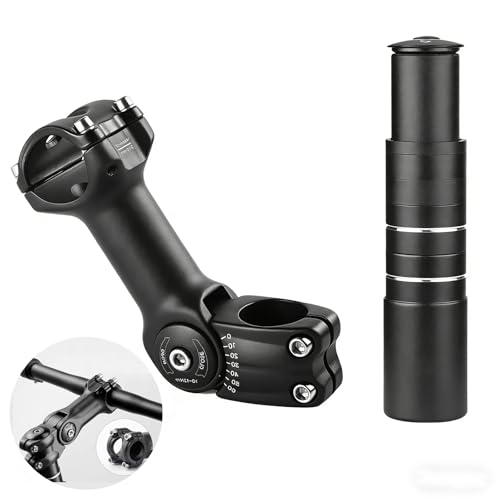
This adjustable bike stem set lets riders tailor height and angle simultaneously for a personalized riding position. It’s designed for a 28.6mm fork and 31.8mm handlebar diameter. The stem is forged alloy with an anodized finish for durability. It is best for riders who want a robust, easily adjustable solution to reduce back and shoulder fatigue on longer rides. A caveat is that the product is a stem riser, so users should verify fork compatibility and achievable angle range for their bike frame.
Best for: Riders seeking precise, dual-axis adjustment to dial in comfort on varied terrain. Choose this if you value simultaneous height and angle adjustments to optimize posture.
GEWAGE 31.8 Inch Riser Handlebar (Another 780mm Model)

This variant mirrors the first GEWAGE option with a 780 mm width and 31.8 mm clamp, available in 25/55/70/90/120 mm rise. It provides the same ergonomic 12-degree rearward sweep to ease shoulder positioning and reduce wrist fatigue on long rides. Best for riders who want a wide, stable cockpit with a familiar, carbon-like feel on rugged trails. A potential limitation is frame compatibility with very compact geometries; check whether your bike can accommodate such a wide handlebar.
Best for: Riders who prefer a consistent, ergonomic setup across multiple bikes or cycles through all-mountain terrain. Choose this if you like a proven, wide bar with strong dampening characteristics.
BNVB Wake 31.8 MTB Handlebar (Black, 720/780mm)

Constructed from high-strength aluminum alloy (6061), this handlebar is lightweight yet durable. It offers 720mm or 780mm widths and is described as ergonomically designed for long-distance riding. Best for riders who want a balance of light weight and stiffness for better control on downhill and off-road trails. The caution here is that longer bars can require adapting cockpit setup, especially for riders with shorter torsos or limited handlebar clearance on certain frames.
Best for: Downhill and off-road riders who want a light, strong bar with a comfortable sweep. Choose this if you value weight savings and easy handling on steep terrain.
TOBWOLF Stem Riser & Adjustable MTB Stem

This universal 31.8mm stem rises with ±90-degree angle adjustment within a 115mm to 145mm height range, enabling significant cockpit customization. It supports versatile compatibility for many mountain, road, and BMX bikes. Best for riders who want a flexible stance, especially if they ride across mixed terrain or require frequent changes in riding position. Limitation: always confirm your frame’s compatibility and the minimum ground clearance when extending height and angle.
Best for: Riders who need dynamic adjustment for varying rides and rider heights. Choose this if you expect to switch between upright cruising and more aggressive stances on steep sections.
Buying Guide: Key Considerations For Choosing Mountain Bike Riser Handlebars
- Width: Wider bars (720–780mm) offer more leverage and control on rough terrain but can feel unwieldy on tight trails or bikes with shorter wheelbases. Match width to your torso width and riding style.
- Rise: The rise determines cockpit height. Higher rises (90–120mm) create a more upright position, reducing back strain on long rides; lower rises improve aerodynamics and steering precision for aggressive riders.
- Clamp Diameter: Most modern mountain bikes use 31.8mm clamps. Confirm your stem and forks accept this size before purchase.
- Material: Aluminum alloys are common for durability and light weight. Carbon fiber bars exist but at higher cost. Weight and vibration dampening should be weighed against cost.
- Geometry: Rearward sweep (commonly around 12 degrees) can alleviate shoulder tension and wrist fatigue. Consider how sweep affects hand position and comfort on descents.
- Compatibility: Some risers include compatibility notes for specific fork diameters or bike models. Always verify frame clearance and compatibility with your seatpost and brake levers.
- Weight and Handling: Heavier bars can feel more stable at speed but may impact acceleration. Lighter bars improve nimbleness but can feel less dampened on heavy impacts.
- Installation: Some risers require professional setup, especially when adjusting stem height, angle, or torque specs. Follow manufacturer torque recommendations to avoid misalignment.
Frequently Asked Questions
- What is the typical rise on a mountain bike handlebar?
- Will a wider bar fit my bike frame?
- Is 31.8mm the standard clamp size?
- Should I choose aluminum or carbon bars?
- How do I know if a riser bar is right for downhill riding?
- Can I install a different rise bar on an existing stem?
Risers commonly range from 25mm to 120mm. Higher rises offer more upright posture, while lower rises favor control and aerodynamics.
Wider bars require adequate cockpit clearance around the head tube and handlebars; check frame geometry and compatible stem length if you have narrow frame clearance.
Yes, 31.8mm is a widely used standard for mountain bikes, compatible with many stems and forks. Always verify compatibility with your specific components.
Aluminum bars are typically more affordable and durable, while carbon bars offer lighter weight and potential vibration damping. The choice depends on budget and riding style.
Downhill riding benefits from wider bars with higher rise for stability and control. Ensure the bar is strong enough to withstand impact and compatible with your bike geometry.
Yes, you can, but ensure the stem length and angle work with the riser height and keep the cockpit within safe reach and control ranges.