
In this guide
Choosing the right race shoes can make a measurable difference in half marathon times and comfort over 13.1 miles. This guide highlights five top options that blend lightweight design, responsive cushioning, and stability for sustained tempo running. Whether you value carbon plate tech, breathable uppers, or long-run durability, these picks cover a range of runners and preferences.
| Product | Key Feature | |
|---|---|---|
| AI TIDE Carbon Plate Marathon Running Shoes | AI TIDE | Carb Plate, breathable upper, energy rebound |
| New Balance FuelCell Rebel V4 | New Balance | Propulsive FuelCell foam, wider midsole |
| Brooks Hyperion Max Neutral | Brooks | Nitrogen-infused cushioning, secure fit |
| RaceQuip Euro Carbon-L Series | RaceQuip | Carbon-inspired stability, molded sole |
| Hal Higdon’s Half Marathon Training | Human Kinetics | Coaching and training guidance |
style=”display:none;”>Introduction Summary
The following five selections provide a mix of racing performance, everyday training comfort, and accessory support for half marathon goals. Each product is evaluated on weight, cushioning, stability, and overall race-day applicability to help runners compare options quickly.
AI TIDE Carbon Plate Marathon Shoes
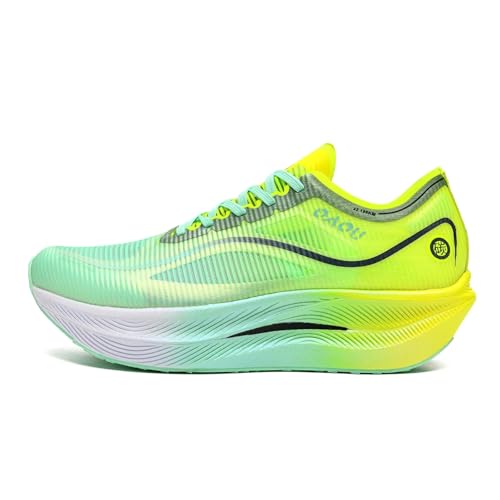
AI TIDE’s carbon plate model emphasizes a breathable upper and stable, energy-rich rebound. The upper uses multi-color woven materials to improve airflow and dry comfort. A lightweight outsole with a widened rear provides stability, while the midsole features a nylon carbon plate with light rebound technology. EVA foaming further enhances weight reduction and response, making it suitable for fast tempos and race-day accelerations.
RaceQuip Euro Carbon-L Series

RaceQuip’s carbon-inspired series emphasizes durability and stability for racing scenarios. The suede leather upper delivers a premium feel, while a Pyrovatex flame-retardant liner adds safety considerations for structured events or warm-up sessions. The molded rubber outsole and padded ankle offer comfort across longer training runs and race-day pacing.
New Balance FuelCell Rebel V4

New Balance FuelCell Rebel V4 focuses on a propulsive feel with FuelCell foam and a geometric midsole that stacks higher for a more responsive ride. The outsole pods are designed to optimize energy return and track through turns and straights. The result is a versatile daily trainer that translates into efficient pace work and comfortable long runs.
Brooks Hyperion Max Neutral

The Hyperion Max combines a nitrogen-infused DNA FLASH midsole for light, responsive cushioning with a secure woven upper and 3D Fit Print for structure and airflow. This model is built for speed and tempo runs, with a focus on keeping the foot stable during fast transitions while maintaining a light overall weight.
Hal Higdon’s Half Marathon Training

Hal Higdon’s Half Marathon Training provides coaching plans, strategy, and practical tips for race-day readiness. While not a shoe, its guidance complements equipment choices by detailing mileage, pace work, and recovery—helpful for runners seeking structured, science-backed training builds toward a half marathon.
Buying Guide: Key Purchase Considerations
- Foot type and stability needs: If you overpronate or need extra support, look for guidance from shoe models with stability features or a firmer midfoot.
- Carbon plate versus foam cushioning: Carbon-plated shoes can boost energy return for faster tempo miles, but may be stiffer. Foam-forward models offer a more forgiving ride for easy runs and longer sessions.
- Weight and stack height: Lighter weights help with speed, while higher stack heights can absorb impact on longer runs. Balance your preference for speed against comfort.
- Upper breathability and fit: A well-ventilated upper reduces heat and friction. Ensure the toe-box has enough room for swelling during longer efforts.
- Durability vs. performance: Training shoes may differ from race-day options. Consider separate pairs if you plan more miles weekly or want peak speed on race day.
- Terrain and pacing: Road-specific racing shoes suit asphalt common to half marathons, while some models offer flexible flexibility for mixed surfaces or weather variations.
- Price-to-performance trade-off: High-end race models offer performance benefits but assess whether your mileage and goals justify the investment; consider a lighter trainer for most weekly runs and a dedicated race-day shoe for race pace.
- Maintenance and care: Clean after wet runs, inspect outsole wear, and store away from direct heat to extend the shoe’s life and maintain cushioning.