
In this guide
Athletes rely on core sliders to build stability, mobility, and lower‑body strength without heavy equipment. This guide highlights five proven options that perform well on carpet, hardwood, and everything in between. Each product section explains who it suits, surface compatibility, and key benefits, so you can choose the right sliders for your routine.
| Product | Brand | Best For | Surface Compatibility |
|---|---|---|---|
| Elite Sportz Core Sliders | Elite Sportz Equipment | Full‑body workouts, knee‑friendly gliding | Carpet, Hardwood, Tile |
| Limm Core Sliders | Limm | Core, abs, legs, multi‑surface use | Carpet, Hard floors |
| metaball Gliding Discs | metaball | Full‑body workouts, smooth gliding | Carpet, Hardwood, Tiles |
| Tumbl Trak Sliders | Tumbl Trak | Carpet training, comfort, balance work | Carpet |
| uxcell Exercise Sliders | uxcell | Full‑body routine on multiple surfaces | Carpet, Hardwood |
Introduction note: The selected products emphasize dual‑sided designs, comfortable tops, and compatibility with different floor types, which helps athletes perform progressive sliding movements safely. The list prioritizes reputable brands and accessible price points, ensuring you can upgrade your toolkit without disrupting training cycles.
Elite Sportz Core Sliders For Working Out
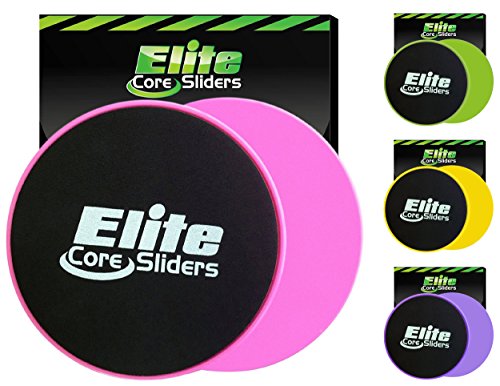
Elite Sportz Equipment’s Core Sliders are designed for low‑impact yet effective workouts that protect knees and ankles. The dual‑sided discs glide smoothly on carpet, hardwood, and tile, supporting full‑body routines—from planks and mountain climbers to lunges and press‑ups. The durable construction emphasizes quiet operation and reliable performance during daily training. The dual surface configuration makes it versatile for varying floor types, enabling athletes to switch between surfaces without changing equipment.
Limm Core Sliders Fitness

Limm Core Sliders emphasize engaging multiple muscle groups for a comprehensive core and strength session. These dual‑sided discs are designed to work on both hard floors and carpets, providing stability while you perform ab work, leg progressions, and full‑body movements. The included carry bag and workout ebook enhance portability and guidance, making them suitable for home gyms, hotels, or on‑the‑go routines. The design aims to shorten rest times by enabling fluid transitions between moves.
metaball Gliding Discs Core Sliders
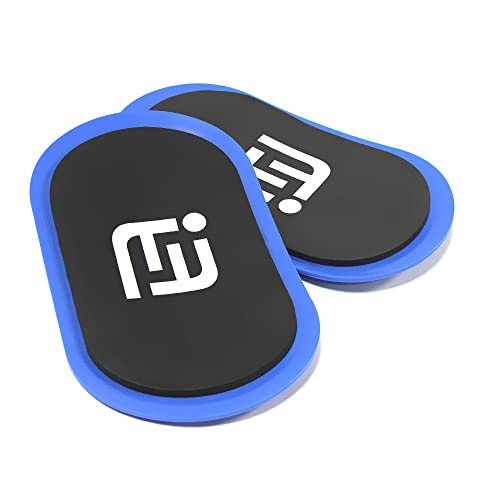
The metaball Gliding Discs feature a curved arc design aimed at smoother sliding and reduced strain. Their large contact area accommodates hands and feet, and the dual‑sided construction supports both carpet and hard floors. The design helps athletes progress through core and transitional movements, promoting better hip mobility and abdominal engagement. The emphasis on lower friction makes them suitable for beginners and advanced trainees alike, supporting varied routines without overheating joints.
Tumbl Trak Smooth Sliders

Tumbl Trak’s Smooth Sliding Sliders are prized for high‑quality materials and a design that helps slides work effectively on carpet. The convex top helps the sliders glide with less resistance, while an oversized surface supports hands and feet during pushes, planks, and mountain climbers. The padded top reduces pressure on joints, aiding comfort during longer sessions. These are a common choice for rehab, conditioning, and sport‑specific drills performed on carpeted surfaces.
uxcell Exercise Core Sliders

uxcell’s Oval Glider Discs with Feet Covers emphasize a robust dual‑sided design for multi‑surface use. The EVA foam side is suited for hard floors like wood or tile, while the PP surface glides smoothly on carpets and rugs. The set is marketed toward all fitness levels, from beginners to professional athletes, supporting a broad range of movements—including lunges, bridges, sliding push‑ups, and glide squats—that target thighs, glutes, abdominals, and arms. The focus on accessibility makes it a versatile starter option for home gyms.
Buying Guide: Key Considerations For Choosing The Right Sliders
Surface compatibility and surface feel are critical. Dual‑sided sliders offer flexibility to move between carpet, wood, and tile, but the glide can vary depending on the material. If you train frequently on carpet, a soft top and smooth plastic underside may reduce friction more effectively; on hardwood, you might prefer an EVA or fabric top with a low‑friction bottom to minimize wear.
Movement range and target areas matter. Athletes focusing on core endurance, hip mobility, or lower‑body strength should look for sliders with a larger surface area and a comfortable top surface to support wrists, hands, and knees during extended drills.
Portability and storage are practical concerns. Many options come with carry bags and included guides or ebooks, which can be helpful for on‑the‑go training or progressive routines. Consider whether you want a set that includes instructional material or purely hardware.
Durability and build quality influence long‑term value. Look for reinforced materials, non‑pinching edges, and a design that can withstand daily training without tearing or fraying. A padded top is beneficial for comfort during repeated contact with joints.
Price and value should align with your goals. For athletes building a home gym, investing in a set with broad surface compatibility and robust construction can pay off over months of use. If you train sporadically, a simpler dual‑sided option may suffice.
Reviews and brand credibility help gauge real‑world performance. Consider user feedback on glide smoothness, balance on different floors, and whether the product holds up under high‑repetition routines. Reputable brands often provide better warranty support and updated designs over time.
In summary, the best choice depends on your training surface, the range of exercises you perform, and how often you plan to incorporate sliders into your workouts. The highlighted options above offer a mix of dual‑sided designs, comfort features, and surface versatility to support athletic conditioning, core strength, and mobility across various sport disciplines.