
In this guide
For swimmers new to triathlons, selecting a wetsuit that prioritizes buoyancy, flexibility, and easy entry can dramatically improve confidence in open water. This guide highlights five well-rounded options designed to support less experienced swimmers without sacrificing speed or range of motion. Each choice emphasizes fits for a variety of body types, simple entry and exit, and materials that balance warmth with mobility. Read on to compare top picks and find the best triathlon wetsuit for a poor swimmer’s needs.
| Product | Brand | Type | Notable Feature |
|---|---|---|---|
| Synergy Triathlon Wetsuit 3/2mm – Volution Full Sleeve | Synergy | Full Sleeve | Hydrodynamic SyPrene with core buoyancy panel |
| Synergy Triathlon Wetsuit 3/2mm – Volution Sleeveless Long John | Synergy | Sleeveless | Lightweight upper torso for flexibility and breathability |
| Synergy Endorphin Men’s Full Sleeve Triathlon Wetsuit | Synergy | Full Sleeve | Yamamoto #39 neoprene with SCS coating for speed |
| O’Neill Wetsuits Reactor-2 3/2mm Back Zip | O’Neill Wetsuits | Full Sleeve | Back zip for easy entry, ultra-stretch neoprene |
| Hevto Wetsuits Men 3/2mm Neoprene | Hevto | Full Sleeve | Comfort-focused 3/2mm with nylon elastic fabric |
Below, five detailed product sections explore each option’s fit, buoyancy, flexibility, and surface feel. The aim is to present objective criteria to help swimmers with limited experience make an informed choice for their first or early triathlon wetsuit purchases.
Synergy Volution Full Sleeve Wetsuit
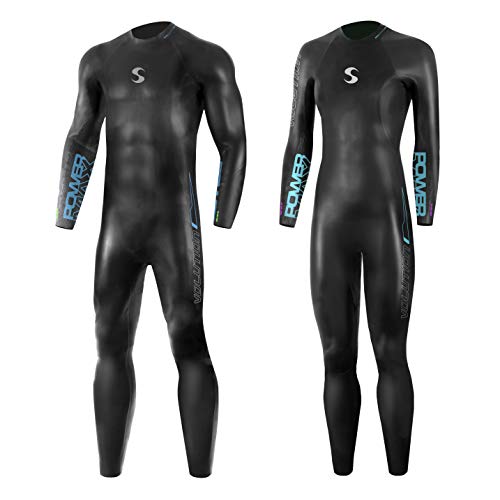
The Synergy Volution Full Sleeve wetsuit features hydrodynamic neoprene with a silicone-coated SyPrene layer, designed to enhance glide through the water. A 3mm core buoyancy panel supports overall floatation, with 2mm panels on the legs and back to balance mobility. This model emphasizes a full range of motion and a streamlined profile to reduce drag during open-water swimming. The internal zipper is YKK, chosen for corrosion resistance and smooth operation, while the neck is designed to be soft and low-profile to minimize irritation during long swims.
Designed for a wide range of athletes, it offers numerous sizes to improve fit accuracy. For poor swimmers, the buoyancy in the core panels can help maintain an efficient position, potentially reducing fatigue in early triathlon events. Overall, this is a solid entry into the Volution line for those seeking buoyancy without sacrificing flexibility.
Synergy Volution Sleeveless Long John

The sleeveless Volution model removes sleeves, prioritizing freedom of arm movement and reduced overall weight. While the torso retains buoyancy and warmth through similar core panels, the absence of sleeves can improve shoulder flexibility, which is helpful for beginners learning efficient stroke mechanics. The Hydrodynamic neoprene and SyPrene coating work to minimize drag across the torso, while the back and leg panels maintain buoyancy for an easier body position in the water. Entry and exit remain accessible thanks to a well-implemented zipper system on other Volution variants, and the sleeveless design can still offer a secure fit for a range of body types.
Best suited for warmer water or athletes who prioritize arm mobility to develop stroke technique. Beginners should ensure a proper fit around the chest and hips to prevent water ingress and maintain a stable glide.
Synergy Endorphin Full Sleeve Wetsuit
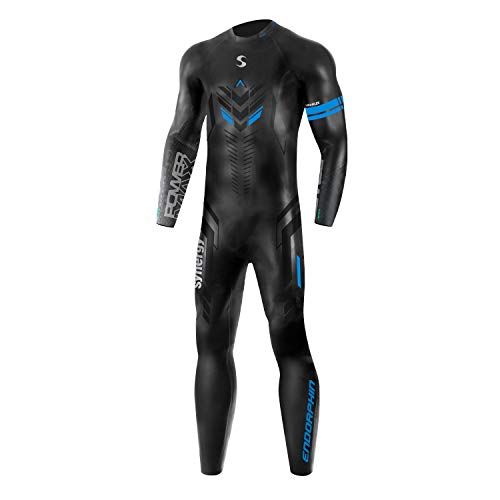
The Endorphin line is a premium option with Yamamoto #39 neoprene and an SCS silicone coating, delivering a balance of warmth and speed. The suit uses a 5mm core buoyancy panel, with 3mm on the legs and back, and 2mm on the arms and shoulders. This configuration aims to provide excellent buoyancy in the torso while allowing arm mobility for efficient stroke cycles. The exact 680 percent flexibility claim highlights exceptional stretch and reduced chafing, contributing to longer practice sessions without discomfort. The YKK zipper remains a trusted feature for corrosion resistance and smooth operation, especially in the wetsuit’s interior where drag can impact speed.
Ideal for swimmers who want extra buoyancy and warmth without compromising core mobility. Beginners may especially benefit from the enhanced buoyancy as they refine balance and breathing techniques in open water.
O’Neill Reactor-2 3/2mm Back Zip

The Reactor-2 3/2mm back-zip wetsuit is positioned as an entry-level option with emphasis on value and ease of use. It uses ultra-stretch neoprene to support a comfortable fit and efficient range of motion, particularly beneficial for newer swimmers still mastering technique and comfort in the water. The back-zip design makes entry and exit simpler, which can reduce stress after transitions during triathlons. While not as feature-rich as premium lines, it provides reliable insulation and flexibility for lake and warmer season swims, helping build familiarity with triathlon-specific training.
Hevto 3/2mm Neoprene Wetsuit

The Hevto wetsuit focuses on a beginner-friendly design with 3/2mm neoprene and nylon elastic fabric. The description emphasizes warmth, buoyancy, and skin-friendly materials, suitable for swimmers who are getting acquainted with wetsuit use in open water. A notable note is the user guidance about initial wear and potential odor, which is common in new wetsuits before odor dissipates. Flatlock stitching is highlighted for a neater appearance and smooth water resistance while maintaining comfort. This option provides a practical entry point for new triathletes who expect colder water conditions.
Buying Guide
Key purchase considerations for beginner swimmers selecting a triathlon wetsuit:
- Buoyancy distribution: Look for suits with a buoyant core (torso) to assist body position without hindering leg kick.
- Flexibility and fit: Prioritize models with flexible panels around the shoulders and arms to support a natural swim stroke and reduce fatigue.
- Entry and exit: Back-zip or easy-entry designs help new swimmers get in and out quickly, especially after post-swim transitions.
- Material and coating: Neoprene quality (e.g., Yamamoto or SyPrene) and surface coatings influence glide, warmth, and durability in cooler water.
- Size range and adjustability: Choose a brand offering broad size options to improve the likelihood of a snug, water-tight fit without restriction.
- Water temperature compatibility: A 3/2mm configuration is common for temperate waters; consider thicker panels or full-sleeve versions if training in colder conditions too.
- Care and longevity: Rinse with fresh water after use, avoid direct sunlight for drying, and store away from heat to preserve flexibility and seams.
Comparative notes for different user needs:
- Best buoyancy for beginners: Models with thicker core panels (3mm or more) and full-body buoyancy help sustain a stable position while swimming, particularly for those still developing technique.
- Best flexibility for stroke development: Sleeves that maximize shoulder and arm mobility will reduce fatigue and encourage efficient technique practice.
- Best entry experience: Back-zip designs generally offer the easiest entry/exit, beneficial after long or intense training sessions.
- Temperature adaptability: For cooler open-water days, prioritize models with added torso buoyancy and insulating linings; for warm days, lighter, flexible suits minimize overheating while preserving buoyancy for beginners.
All five wetsuits above present credible options for swimmers seeking comfort, buoyancy, and progression in open-water triathlon training. When choosing, prioritize fit, ease of entry, and buoyancy that aligns with your current technique and comfort level in water. A suit that helps sustain neutral body position often yields the most measurable gains for new triathletes.