
In this guide
Backpacking photographers need a tripod that balances ultra-light weight with solid stability. This guide highlights five compact travel tripods designed for outdoor shoots, time-lapses, and on-the-go vlogging. Each option prioritizes portability without sacrificing performance, so you can capture sharp landscapes, starry skies, and macro detail while trekking rugged trails.
Summary of selected products:
- AOKA 28in/1.1lb Mini Portable Carbon Fiber Tripod
- AOKA 15.75in/0.99lb Mini Carbon Fiber Tripod
- Peak Design Travel Tripod, Carbon Fiber
- Sirui Compact Traveler 5C Tripod
- SMALLRIG Camera Tripod, 71″ Foldable Aluminum Tripod
Product Overview and Considerations
When choosing a backpacking tripod, weight, compactness, and load capacity are critical. Carbon fiber models often provide the best balance between lightness and strength, while aluminum can offer cost-effective durability. A quick-setup mechanism and a ball head that allows smooth 360-degree panning improve field usability. Look for versatile leg angles for uneven terrain, stable center columns or hooks for extra weight, and compatibility with both cameras and mobile devices for flexible shooting on the trail.
Overview of Top Picks
The following sections present five compact, travel-ready tripods that suit backpacking needs. Each entry includes a clickable Amazon link, a visual block, and a concise summary of features relevant to outdoor shooting and travel convenience.
AOKA 28in Mini Portable Carbon Fiber Tripod

The AOKA 28-inch mini tripod combines ultralight carbon fiber construction with substantial stability. Weighing just 1.1 lb (500 g), it travels easily in a backpack while remaining sturdy enough to support up to 5.5 lbs (2.5 kg) of gear. This makes it suitable for travel photography, landscape panoramas, and time-lapse sequences. Its compact form and center-column design provide solid support for phones, cameras, camcorders, projectors, and webcams, with a metal phone mount included for quick shooting setup in the field.
AOKA 15.75in Mini Carbon Fiber Tripod

This compact AOKA model weighs 0.99 lb (450 g) and extends to 15.75 inches (400 mm), retracting to 10.04 inches (255 mm) for pocketable travel. It supports up to 6.6 lbs (3 kg) of gear and accommodates cameras, smartphones, mini projectors, and more. Its aluminum alloy CNC craftsmanship and carbon fiber legs emphasize durability, while a ball-head design offers 360-degree rotation for flexible compositions on the trail.
Peak Design Travel Tripod
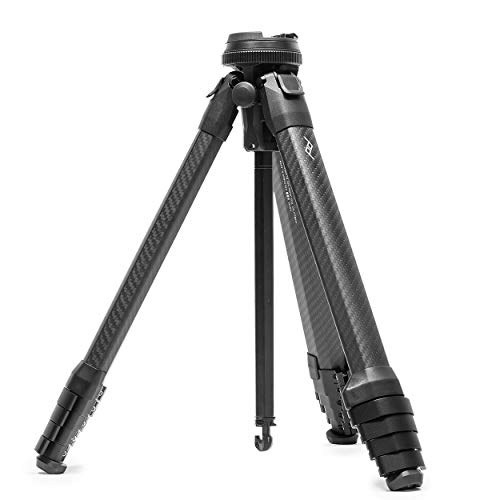
Peak Design reimagined the travel tripod with pro-level stability and a design that packs down to the diameter of a water bottle. It features fast setup, ergonomic controls, and built-in phone support, plus a quick-release lever system for smooth mounting. Despite its compact form, it supports up to 20 lbs, enabling use with full-frame DSLRs and longer lenses. The tripod’s lightweight carbon fiber construction and compact profile make it a strong option for backpackers who still demand reliable performance.
Sirui Compact Traveler 5C Tripod

Sirui’s Compact Traveler 5C is a lightweight carbon fiber option with a maximum load of 8.8 lbs (4 kg) and a folded height under control. It weighs about 1.87 lbs (0.85 kg) and extends up to 54.3 inches, offering 5-section legs and quick-release clamps for rapid setup in varied outdoor conditions. The 360° panorama-capable aluminum ball head and standard quick-release plate support versatile shooting angles, while the compact size remains backpack-friendly for day trips or longer treks.
SMALLRIG Camera Tripod

SMALLRIG’s folding aluminum tripod offers a versatile 71-inch height range, with a 360-degree ball head and detachable monopod functionality. It supports a payload of up to 33 lbs, making it suitable for heavier DSLR setups or long telephotos. Its 2-in-1 design and broad device compatibility—ranging from cameras to phones and projectors—make it a robust option for hikers who need adaptability from a single portable rig.
Buying Guide: Key Purchase Considerations
Backpacking photographers should assess several factors before buying a travel tripod. First, weight and storage size directly impact packability on long treks. Look for carbon fiber when possible for strength at a low weight, or aluminum as a budget-friendly alternative with solid durability. Height range matters: a compact model should still reach eye level when extended, while a low-angle capability via inverted legs or a center column is useful for macro work.
Load capacity should match your gear, including camera bodies, lenses, and any accessories like a recorder or microphone. A reliable ball head with smooth panning and precise tilt control is essential for precise framing in dynamic outdoor environments. Quick setup and a stable base—driven by leg locks, a weight-bearing center column, and non-slip feet—help prevent wobble on uneven ground.
Compatibility with devices beyond traditional cameras, such as smartphones, projectors, or binoculars, expands versatility for travel photography and field work. Consider whether the tripod can convert to a monopod when needed in tight spaces, and whether it includes a carrying case or quick-release plates. Finally, assess warranty and build quality to ensure long-term performance on rugged backpacking trips.
Product breadth and trade-offs vary: ultralight carbon fiber models maximize portability but may carry a higher price tag, whereas sturdier aluminum tripods can support heavier gear but add bulk. For backpackers, prioritize models that balance weight, compactness, and stability without compromising essential shooting requirements in diverse outdoor settings.