
In this guide
Finding the right indoor volleyball can improve practice, reduce sting, and help players of all ages develop core skills. This guide highlights five top-rated indoor volleyballs that balance soft touch, durability, and realistic feel, making them suitable for homes, schools, and clubs. Each pick emphasizes comfort, quiet play, and consistent performance on indoor surfaces.
Summary of Selected Products
| Product | Brand | Key Benefit |
|---|---|---|
| Softy Volleyball | Safe Sport Gear | Soft touch for pain-free play |
| Tachikara SV-18S | Tachikara | Accurate size and reliable butyl bladder |
| Wilson Pro Tour Indoor | WILSON | Pro-level official size and durability |
| AceVernine Soft Indoor | AceVernine | Whisper-quiet indoor practice |
| Mikasa V330W | Mikasa | Durable composite cover for practice |
Softy Volleyball — Safe Sport Gear

The Softy Volleyball by Safe Sport Gear is designed for youth players ages 8-12, prioritizing a soft touch to minimize discomfort during long practice sessions. Its forgiving construction makes it an ideal indoor option for beginners and recreational play, while still offering a realistic bounce that supports skill development. The ball’s soft material helps prevent wall and floor scratches, making it suitable for homes, gymnasiums, and classroom settings. Built with kid-tested durability, this ball can handle energetic hits without sacrificing control.
Tachikara SV-18S Indoor Volleyball

The Tachikara SV-18S Indoor Volleyball blends traditional craftsmanship with dependable performance. It features a single unit construction, a circumference range of 25.6 to 26.4 inches, and a weight between 9.1 and 9.8 ounces. The bladder uses butyl for durable air retention, supporting consistent play across practice sessions and scrimmages. This size-appropriate option is well-suited for players advancing from beginner to intermediate levels who want a reliable, standard feel on indoor surfaces.
Wilson Pro Tour Indoor Volleyball

The Wilson Pro Tour Indoor Volleyball is built for competition and longevity. It uses official size and weight, making it ideal for teens and adults training at higher levels. A wound carcass construction helps the ball maintain a consistent round shape across matches, improving touch and predictability during long practice sessions. This ball is designed to withstand frequent use while delivering a pro-style feel for dedicated players.
AceVernine Soft Indoor Volleyball
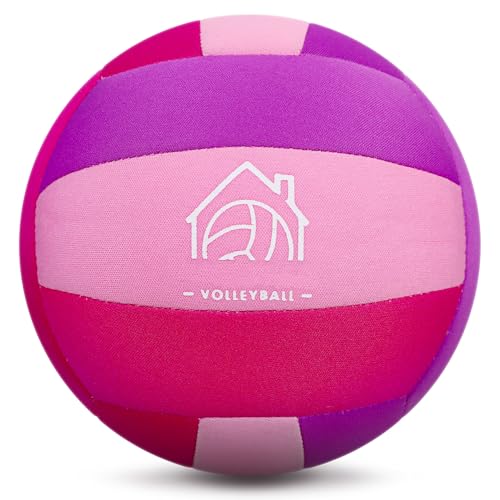
AceVernine’s Soft Indoor Volleyball emphasizes quiet, low-stress play inside the home. The soft fabric and strong stitching minimize wall and furniture damage while offering a realistic bounce for skill practice. This ball aims to deliver a beginner-friendly experience with safe handling, making it a strong choice for younger players or households prioritizing minimal noise and impact.
Mikasa V330W Indoor Game Volleyball

The Mikasa V330W is a competition-oriented indoor volleyball featuring a durable composite cover and a nylon-wound core with a distinctive 18-panel design. This practice ball is well-suited for clubs and schools aiming to mimic game-day conditions without sacrificing durability. Its construction supports reliable touch and precise flight on indoor courts, making it a versatile option for dedicated training sessions.
Buying Guide: Key Considerations for Indoor Volleyballs
- Softness vs. Durability: If players are younger or sensitive to impact, prioritize soft-touch options that reduce sting. For more rigorous practice, look for durable constructions that hold shape under frequent hitting.
- Size and Weight: Official sizes are typically 9 to 9.2 inches in diameter and around 9 to 9.8 ounces. Ensure the ball matches the players’ age and experience level for comfortable handling and proper technique development.
- Surface and Material: Indoor balls often use composite leather or synthetic leather. Foam-backed layers can provide a softer feel and quieter play, while traditional panels offer a more authentic spiked feel.
- Air Retention and Bladder Type: Butyl bladders generally retain air well, reducing the need for frequent reinflation, useful for ongoing practice sessions. Consider the overall air-holding performance when selecting a ball.
- Noise and Wall Impact: For home or apartment use, choose balls described as whisper-quiet or with cushioned interiors to minimize noise and wall damage during practice.
- Intended Environment: Indoors at home, school gyms, or clubs may have different demands. For general practice and skill development, a softer ball with reliable bounce can be ideal; for competition, a ball with durable construction and official sizing is preferable.
- Maintenance and Longevity: Look for stitched construction or reinforced panels to extend life through frequent use. Some models are designed to resist deflation and maintain shape longer without pumps.
- Skill Level and Age Range: Match product choice to the player’s age, skill level, and goals—beginners benefit from softer, lighter balls, while advanced players may prefer official-size, pro-grade options.
These considerations help align a purchase with practice needs, whether the goal is safe family play, youth training, or club-level drills. The listed options cover a spectrum from ultra-soft, wall-friendly designs to pro-style balls with precise dimensions and durable shells, ensuring reliable performance across various indoor settings.