
In this guide
Cold-water diving requires a wetsuit that balances warmth, flexibility, and durability. This guide highlights five wetsuits well-suited for American divers exploring chilly seas, reefs, and open-water dives. Each option focuses on insulation, seam quality, and ease of movement, helping you stay comfortable while you explore underwater ecosystems. Below is a quick summary of the chosen products to compare key features at a glance.
| Product | Thickness | Type | Notable Benefit |
|---|---|---|---|
| Lansru Women Wetsuit, 5/4mm | 5/4mm | Full Body | Enhanced insulation with seamless design for warmth and mobility |
| Hevto Men Wetsuit 4/3mm | 4/3mm | Full Body | Premium SCR neoprene for warmth and flexibility; reinforced knees |
| Surqo Wetsuit Women 3/2mm | 3/2mm | Full Body | Balanced warmth and UV protection; durable seams |
| Hevto Wetsuit Men 3/2mm | 3/2mm | Full Body | Entry-level warmth with easy on/off; skin-friendly materials |
| Seaskin Mens 3mm Shorty | 3mm | Shorty | Mobility in milder cold conditions; quick-dry and durable |
Hevto Men Wetsuit 4/3mm: Warmth With Flexibility

The Hevto 4/3mm wetsuit is designed for men in cold water, using premium SCR neoprene and super-stretch nylon to deliver warmth and mobility. Seams are sealed, glued, and blind-stitched to minimize water entry, with reinforced knees for added protection during activities like surfing and diving. The suit supports multiple water sports and is suitable for long sessions in chilly seas. For best fit, consider your typical chest and waist measurements, as a snug fit enhances insulation and reduces water flow inside the suit.
Hevto Wetsuits Men 3/2mm: Entry-Level Cold Water Option

The Hevto 3/2mm full wetsuit targets beginners with a comfortable 3/2mm thickness, offering warmth in cooler waters. Made with soft, skin-friendly materials and flatlock stitching for neat lines, it helps divers float more easily and learn swimming techniques faster. New wearers may notice a brief odor—this is common and typically harmless. The design supports both diving and surfing, making it versatile for cold-water enthusiasts who value breathability and ease of movement.
XUKER Wetsuit Women, 2mm: Quick-Drying Cold-Weather Flex
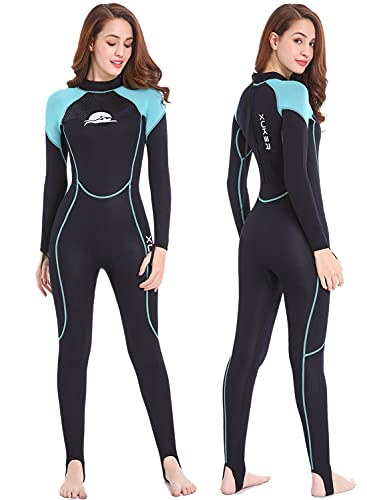
The XUKER 2mm wetsuit for women provides a balance of warmth and mobility with a back zip for easy on and off. While thinner, it uses premium neoprene to trap a thin water layer that insulates the body. The back zipper design simplifies dressing and undressing, making it convenient for quick dunk sessions or casual snorkeling in cooler months. Consider layering with gloves and hoods for additional warmth in very cold conditions.
SURQO Wetsuit Women 3/2mm: Plus Size And Tall Fit
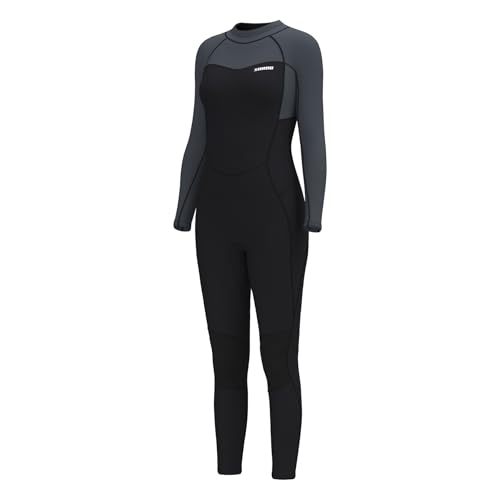
The SURQO 3/2mm wetsuit for women combines 3mm SCR neoprene on the torso with 2mm limbs for warmth and mobility, targeting versatility for cold-water activities like surfing, snorkeling, and diving. A durable back zipper and reinforced seams promote longevity, while UPF protection helps shield skin from sun exposure during outdoor sessions. The sizing accommodates plus sizes and taller fits, ensuring a comfortable, snug silhouette that minimizes water ingress and drag in the water.
Lansru 5/4mm Wetsuit: Advanced Cold-Water Insulation

Lansru’s 5/4mm wetsuit excels in elasticity and warmth, using SCR neoprene and seamless construction to reduce gaps and heat loss. The 4mm in the neck and limbs supports flexible movement, while thick knee pads provide impact protection during kneeling drills or contact with reefs. The front or back zipper design allows for easy donning, with the suit doubling as a rash guard for sun protection during extended water outings in cold conditions. This option suits divers who spend longer periods in frigid waters and require maximum insulation.
Buying Guide: Key Purchase Considerations
- Water temperature and activity type: Choose thickness that aligns with typical conditions and the intensity of your dives—thicker suits for colder, high-aeration dives; thinner for milder cool-water days.
- Neoprene quality: SCR neoprene offers better stretch and warmth retention; consider CR or SBR blends for mobility and comfort in long sessions.
- Seam construction: Sealed, glued, and blind-stitched seams reduce water intrusion. Reinforced knee pads add durability for frequent kneeling or kneeling-based activities.
- Fit and sizing: A snug fit enhances insulation. Review chest, waist, and hip measurements; some brands offer tall or plus-size options for a better seal.
- Back zip vs front zip: Back-zip designs are the easiest to put on and take off, but front-zip suits can offer a more streamlined fit for certain bodies.
- Additional protection: UV protection, sun exposure, and the option to add gloves, socks, or hoods can extend comfort in cold water.
- Odor and care: A short acclimation period for new wetsuits helps you adapt to the fit; rinse after use and air-dry away from direct heat to prolong lifespan.
These options provide a range of insulation levels and fits to accommodate various cold-water diving scenarios in the American coastlines. When selecting, prioritize a fit that minimizes water exchange while still allowing mobility for comfortable, extended underwater exploration. For most divers in cold water, layering or combining a thicker wetsuit with a hood and gloves yields the best balance of warmth and dexterity during dives.