
In this guide
Stay warm and agile in chilly seas with a wetsuit built for winter. This guide highlights five top wetsuits best suited for cold-water surfing, diving, snorkeling, and paddling, plus practical buying considerations to help you choose the right fit, thickness, and entry style for winter water sports.
Chosen products at a glance
| Product | Brand | Thickness / Type | Entry Style |
|---|---|---|---|
| Seaskin Mens 3mm Shorty Wetsuit | Seaskin | 3mm (shorty, full body for some activities) | Front Zip |
| O’Neill Reactor-2 3/2mm Full Wetsuit | O’Neill Wetsuits | 3/2mm | Back Zip |
| Lemorecn 4/3mm Chest Zip Full Wetsuit | Lemorecn | 4/3mm | Chest Zip |
| Dark Lightning 3/2mm Women’s Wetsuit | Dark Lightning | 3/2mm | Back Zip |
| Wetsuits Men’s Ultra Stretch 7mm Full Suit | WYYHAA | 7mm | Front Zip |
When choosing a winter wetsuit, consider thickness, fit, flexibility, and the entry method. Panels with flexible neoprene and sealed seams help trap warmth without restricting movement. If you’re frequently in water under 60°F, a 3/2mm to 4/3mm blend can be ideal for transitional seasons, while 5mm to 7mm suits are better for colder days and extended time in the water.
Product Reviews
Seaskin Mens 3mm Shorty Wetsuit
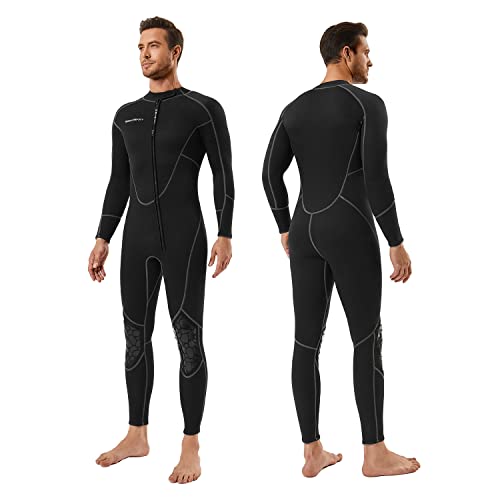
Seaskin’s 3mm shorty targets versatile water activity needs, combining 90% neoprene with 10% nylon for stretch and insulation. The front zipper facilitates easier entry and exit, while flat-lock seams boost durability and comfort in cold-water sessions such as canoeing, snorkeling, or surfing. While designed as a spring/summer option, its flexibility makes it suitable for mild-winter days or layered use in cooler environments.
O’Neill Reactor-2 3/2mm Full Wetsuit

O’Neill’s Reactor-2 3/2mm is positioned as an entry-level, value-driven option for surfing and water sports. The back zip system aids easy entry and exit and includes a water-resistant closure. It uses ultra-stretch neoprene for comfort and performance, delivering flexibility and a snug fit ideal for beginners and casual winter sessions in temperate waters.
Lemorecn 4/3mm Chest Zip Full Wetsuit

Lemorecn’s 4/3mm chest-zip wetsuit emphasizes warmth and mobility. The chest zip design offers improved flexibility and reduces back water intrusion, while SuperStretch neoprene delivers broad range of motion. The wetsuit also includes a convenient key loop, supporting longer sessions in cooler waters such as surfing or diving in transitional seasons.
Dark Lightning 3/2mm Women’s Wetsuit

Dark Lightning offers a 3/2mm women’s wetsuit designed for improved fit and warmth, with a classic back zipper for easy on/off. The 3/2mm configuration is suitable for water in the mid-50s to upper-60s Fahrenheit range, enabling comfortable movement during swimming, snorkeling, and surfing while maintaining essential warmth and flexibility.
WYYHAA Men’s Ultra Stretch 7mm Full Suit

WYYHAA delivers a 7mm full wetsuit designed for very cold water. With a front-zip entry and Ultra Stretch neoprene, it emphasizes warmth and mobility for activities like snorkel and dive in frigid days. Rec users should note sizing guidance and carefully verify fit to maximize insulation and comfort during longer winter sessions.
Buying Guide: Winter Wetsuit Essentials
Thickness and warmth: For winter, evaluate thickness by water temperature and activity. 3/2mm and 4/3mm suits are common for cool conditions, while 5/4mm or 7mm options suit colder days. Consider layering with a rash guard or hood for added warmth where needed.
Fit and flexibility: A snug yet comfortable fit prevents cold water from flushing the suit. Chest zip designs often offer superior mobility compared to back zips, while front zips provide quicker entry in some models. Ensure wrists, ankles, and neck seals are secure without restricting circulation.
Seams and durability: Flat-lock or blind-stitched seams improve comfort and reduce water leakage. Look for reinforced knees or high-stretch panels in areas of high movement to extend the suit’s life in rough or repetitive use.
Entry system: Back zips are common and easy to manage, but chest and front zip options can improve flexibility. Front-zip models may require more effort to put on, but they reduce back water flow and heat loss in active sessions.
Intended activities: Surfing and diving demand different design priorities. For frequent paddling or snorkeling in cold water, prioritize warmth and flexibility. For beginners or casual beach days, a lighter thickness with a reliable entry system can be more practical.
Maintenance: Rinse with fresh water after exposure to saltwater, dry away from direct heat, and store flat to avoid material degradation. Regularly check seams and zippers for signs of wear, and repair or replace as needed to maintain thermal efficiency.
Sizing guidance: Use manufacturer charts when available. If in doubt between sizes, opting for the larger size with a snug fit can prevent restriction while preserving warmth. For suits with chest zips, ensure the chest panel allows easy breathing and movement.