
Best Bike for 2 Years Olds That Still Grows With Them
Find a bike that suits a 2-year-old now and continues to be useful as they grow. This guide focuses on versatile, multi‑mode toddler bikes that adapt from push/trike to balance bike to pedal bike. It’s ideal for parents seeking long-term value and safer learning options. The top picks below cater to different needs, including parents who want guided rides, balance-focused learning, or a transition to pedals without constant repurchases.
| Product | Best For | Growth Stage |
|---|---|---|
| newyoo TR008 5-in-1 Tricycle for Toddlers | Quickly switches from push to pedal bike | 12–36+ months |
| Kkdi 5 in 1 Toddler Bike | Parents seeking adjustable steering and safety features | 12–36+ months |
| Liberry Toddler Tricycle (Purple) | Bright, simple 3-wheel option for early riders | 24–48 months |
| JOYSTAR Little Daisy Princess Kids Bike | Fun, themed bike for small riders | 24–48 months |
| SEREED Toddler Balance Bike | Balance-first approach with adjustable height | 12–36+ months |
Newyoo TR008 5‑in‑1 Tricycle

Best for parents who want a single, money‑saving setup that grows from push to pedal use. The Newyoo TR008 offers multiple modes, aiming to cover infancy through early toddler stages with a single frame. Suitable for supervised riding and learning to steer, this model emphasizes a practical transition path for young riders.
Caution: Some configurations may require adult assembly or adjustments to ensure proper fit as your child grows.
Kkdi 5 in 1 Toddler Bike
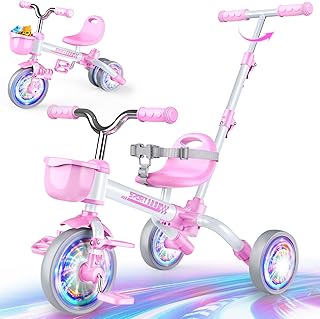
Best for families seeking a compact, all-in-one solution with adjustable seating and steering. This bike transitions from parent-push to scoot, pedal, balance, and full bicycle modes, with a 4‑level adjustable seat and 135° steering range. It supports a range of ages and provides a controlled experience for new riders.
Why selected: The quick‑switch modes help extend use across years, while the wide wheels and sturdy frame aim to reduce tipping during learning phases.
Caution: Weight support and height adjustments should closely follow the provided guidelines to maintain stability during early rides.
Liberry Toddler Tricycle
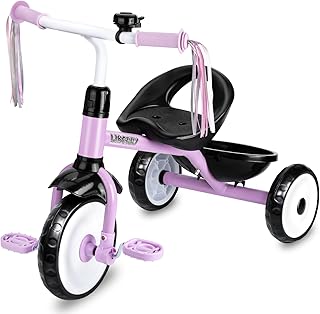
Best for children who respond well to bright colors and simple, reliable three-wheel stability. This Liberry model offers a removable basket and a straightforward ride, making it a friendly first tricycle for beginners.
Limitations: Fewer built‑in growth modes than multi‑role designs; may require a separate pedal bike later for extended use.
JOYSTAR Little Daisy Princess Kids Bike

Best for young riders who love playful themes and a lightweight feel. The JOYSTAR Little Daisy Princess bike emphasizes a fun aesthetic while supporting basic riding skills for kids transitioning from tricycles to bikes with pedals.
Limitation: Theme elements may be less durable in rough outdoor use or frequent rough handling.
SEREED Toddler Balance Bike

Best for a true balance-first approach with adjustable height. This bike uses no pedals to help children learn balance and steering early, reducing the transition effort to pedal bikes later. It features a sturdy carbon steel frame and quick‑release adjustments for growing children.
Why selected: The bike is designed to grow with kids, with adjustable seat and handlebar heights to fit from early walkers to budding cyclists.
Caution: Ensure the starting seat height and handlebar heights are set correctly to avoid overreaching or underutilized balance steps.
Buying Guide: Key Considerations For Your 2-Year-Old Bike Choice
- Growth and versatility: Is the bike able to transition from push/trike to balance or pedal bike without needing a full replacement?
- Safety features: Look for low tipping risk, wide wheels, secure seat belts, and adjustable steering limits to protect new riders.
- Adjustability: How easy is it to adjust seat height, handlebar height, and push handle? Quick‑release mechanisms are helpful.
- Weight capacity: Ensure the frame supports your child’s weight as they grow, with a margin for safety.
- Portability and storage: Consider whether you need a compact model for travel or easy storage at home.
- Age and skill alignment: Match the bike’s modes to your child’s current abilities and the progression you want to enable.
Frequently Asked Questions
- What age should a child start practicing on a balance bike?
– Many children start around 18–24 months with balance bikes designed for early stepping and gliding, then progress to pedals as balance improves. - Is a 5‑in‑1 tricycle better than a dedicated balance bike?
– A 5‑in‑1 can offer more early versatility, but balance‑first bikes can simplify the path to pedaling and reduce the number of transitions. - How important are adjustable features?
– Very important: proper seat and handlebar height support safety, comfort, and longer usability as kids grow. - Should I buy multiple bikes over time or a single multi‑mode model?
– A well‑designed multi‑mode model can delay replacements and provide a smoother growth path, depending on your budget and space. - What safety accessories matter?
– A stable grip, a secure helmet, and protective padding help during early learning phases, improving confidence and safety.