
Best Crank for Mountain Bike: Top Mountain Bike Cranksets for 2026
The best crank for a mountain bike depends on your drivetrain, riding style, and compatibility. This guide highlights five well-suited cranksets, with clear reasons why each is best for specific riders—ranging from multi-gear setups to single-speed builds. Use the buyer tips below to choose the right length, bolt pattern, and material for your bike and riding terrain.
| Product | Crank Arm | Chainring Options | Best For | Key Benefit |
|---|---|---|---|---|
| Relwears FC-TY301 42-34-24T | 170mm | 24/34/42T | 3x setups for mountain bikes | Wide gearing range, sturdy aluminum |
| WEEROCK 42T 170mm (Single/Multi) | 170mm | 42T | Single or multiple speeds | Low weight, anti-drop teeth |
| BUCKLOS 104 BCD 30-38T | 170mm | 30/32/34/36/38T | Customizable chainring options | Narrow/wide profile, durable |
| BUCKLOS 29mm Direct Mount 170mm | 170mm | Single ring | Hollowtech upgrade | Lightweight, strong CNC aluminum |
| WEEROCK 32-38T 170mm | 170mm | 32/34/36/38T | Wide-range single-speed compatibility | Drop-stop design, durable |
Relwears FC-TY301 42-34-24T 170mm Crankset

The FC-TY301 crankset is designed for 3x drivetrain setups, compatible with 3×6/7/8 speeds and 9/16″ pedals. With a 170mm crank arm and a 24-34-42T chainring arrangement, it offers broad gearing for varied mountain terrain. Made from aluminum alloy, the crank aims to balance rigidity and weight for smoother shifts and better bottom-bracket engagement. Best for riders who want reliable, multi-gear versatility without frequent upgrades.
Why choose this: It suits mountain bikers who ride mixed climbs and descents and need a robust, easy-to-maintain crank with a traditional 3x setup. The dual SIS shifting compatibility supports precise, indexed shifting across a range of speeds. A potential limitation is that it targets older 3x drivetrains, which may be less ideal for riders moving to newer setups.
WEEROCK 42T Aluminum Crankset, 170mm
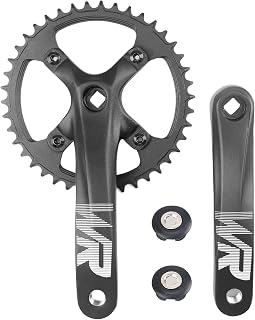
This WEEROCK crankset is built for single-speed compatibility and versatile 6/7/8/9/10/11-speed MTB bikes. It features a 170mm arm and a 42T chainring, with an emphasis on a compact, strong aluminum design. Its narrow-wide tooth profile reduces chain drop risk, making it a practical choice for riders who favor simplicity and reliability in a lighter package. Best for: single-speed riders or those who value chain retention on rough terrain. Limitation: the single-ring setup may require separate front derailleur considerations if you later add a cassette.
BUCKLOS 104 BCD 30-38T Mountain Bike Crankset

The BUCKLOS 104 BCD crankset offers a 170mm arm with a 104 BCD pattern and multiple chainring options (30T–38T, including round/oval shapes). Made from CNC aluminum alloy, it emphasizes stiffness and durability while staying relatively light. It fits 7-12-speed chains and supports various chainring configurations, making it a solid upgrade for riders aiming to customize gearing for climbs and tech sections. Best for: riders seeking modular chainring choices and strong build quality. Caution: ensure your bottom bracket and chainline match the 74mm crank-to-bolt spacing to avoid alignment issues.
BUCKLOS 29mm Direct Mount 170mm Crank

This BUCKLOS crank is designed for direct-mount single-speed setups with Hollowtech compatibility and a 170mm arm. Made from 7075 aluminum alloy, it emphasizes lightweight strength and reliable chainring engagement. The wide-narrow tooth design helps keep the chain aligned under heavy pedaling or rough terrain, reducing the potential for chain drops. Best for: riders upgrading to a lightweight, durable direct-mount system. Limitation: single-speed focus might require a different setup if you switch to a multi-speed drivetrain later.
WEEROCK 32T/34T/36T/38T Crank Set, 170mm

This WEEROCK crankset provides 32T/34T/36T/38T options and a 170mm arm, designed for single-speed bikes or multi-speed builds up to 11 speeds. The narrow-wide gear design minimizes chain drops, making it attractive for riders who want reliable performance on mixed terrain without frequent derailleur adjustments. Best for: riders needing a flexible narrow-wide setup and robust construction. Limitation: not all chainring choices are compatible with every 11-speed system, so verify chainline and chainring compatibility for your bike.
Buying Guide: How To Choose The Right Mountain Bike Crank
- Crankset vs. chainring compatibility: If you ride a 3x or 2x drivetrain, focus on cranksets designed for triple or double setups. For singlespeed, look for a single-ring crank with a robust chainring profile.
- Crank arm length: Common lengths are 165mm, 170mm, and 175mm. Shorter arms provide quicker cadence and easier clearance on tight trails, while longer arms offer more leverage on climbs.
- BCD and chainring options: 104 BCD is common for many mountain bikes and supports a range of chainring sizes. If you want customization, choose a crank with multiple chainring options or elliptical/oval rings.
- Material and weight: Aluminum alloy cranks balance strength and lightness. Higher-end models may use CNC machining for stronger joints and consistent tolerances.
- Bottom bracket compatibility: Verify spindle diameter (e.g., 29mm vs. 24/22mm) and bottom bracket type (threaded or press-fit) to ensure a proper fit with your frame.
- Intended riding style: For aggressive all-mountain or enduro riding, prioritize stiffer, deeper chain engagement and improved chain retention. For casual trail riding, lighter weights and easy maintenance may be preferred.
FAQ
- What crank length should I choose for mountain biking?
– Most riders use 170mm, but your height, leg length, and riding style can influence the best choice. Longer arms provide more leverage on steep climbs, while shorter arms improve cadence in technical sections. - Do I need a 3x crankset for modern mountain biking?
– 3x setups were common in older bikes. If your frame and shifters support 3x, it remains viable for wide gearing. For newer builds, many riders opt for 1x or 2x configurations for simplicity and lighter weight. - What is a narrow-wide chainring?
– It features alternating tooth profiles that help retain the chain on the ring, reducing drops on rough terrain or when shifting under load. - Is aluminum crank durable for rough MTB use?
– Yes, aluminum alloys provide good strength-to-weight and are common for mid-range to high-end cranks. For extreme downhill riding, some riders opt for forged steel or high-end alloys, depending on their needs.