
Best Lycra Suits for Snorkeling
Finding the right lycra snorkeling suit boils down to fit, protection, and flexibility. This guide highlights five top options that balance UV protection, comfort, and ease of use for different water activities. Ideal buyers include casual snorkelers seeking sun protection, paddle-boarders needing quick-dry fabric, and beginners who want a easy-on, easy-off design.
| Product | Fabric & Protection | Best For |
|---|---|---|
| OMGear Thin Wetsuits for Men | 80% nylon, 20% spandex; UPF 50+; quick-dry | Active swimmers, beach days |
| DIVESTAR Full Body Rash Guard | 82% spandex, 18% nylon; full coverage | Sun-intensive outdoor activities |
| Seaskin 3mm Shorty Wetsuit | 90% Neoprene, 10% Nylon; front zip | Colder-water snorkeling |
| CRESSI Skin Full Body Rash Guards | Nylon + elastane; front zip | Comfortable all-day wear |
| Skyone Full Body Dive Skin | Stretches with confidence; UV protection | Versatile water sports |
Whether you’re snorkeling from a calm lagoon or exploring rocky shores, the right lycra suit helps protect against UV exposure, jellyfish, and irritation from coral while keeping you comfortable in a range of temperatures. The following product-by-product summaries explain who each option is best for and why it stands out.
OMGear Thin Wetsuits for Men

Best for: Active swimmers who want a lightweight, fast-drying option. The suit uses a durable 80/20 nylon-spandex blend with UPF 50+ protection, offering sun defense without the bulk of neoprene. The long-front zipper helps with easy on and off, making it suitable for pool sessions and coastal swims.
Caution: While thin fabric provides warmth, it is not a full thermal substitute for neoprene in very cold water.
DIVESTAR Full Body Rash Guard Swimsuit

Best for: Sun-heavy beach days and long sessions in bright sun. This suit uses a high-stretch blend (82% spandex, 18% nylon) that provides full-body coverage with UV protection to minimize sunburn risk and skin damage during extended outdoor wear.
Caution: Availability of sizing guidance varies; try to confirm measurement fit if uncertain about size before ordering.
Seaskin 3mm Shorty Wetsuit
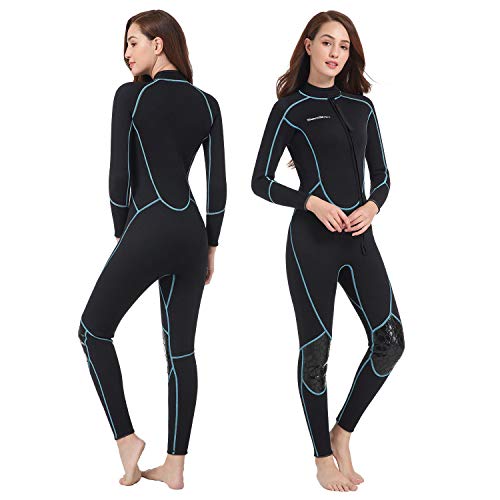
Best for: Cold-water snorkeling where a light neoprene layer adds warmth without bulk. The 3mm shorty uses 90% neoprene with a front zip for easy entry, and flat-lock seams to reduce chafing during longer sessions.
Caution: Not ideal for long-duration use in warm climates where extra insulation is unnecessary; may feel restrictive for some casual swimmers.
CRESSI Skin Full Body Rash Guards

Best for: Water enthusiasts seeking a soft, comfortable fabric with easy donning. The nylon-elastane blend offers stretch and a smooth surface, with a front zip for simple wearing and removing. Suitable for a variety of water activities beyond snorkeling.
Caution: The fabric is comfortable but may not provide substantial thermal insulation in cooler waters compared with thicker wetsuits.
Skyone Full Body Dive Skin
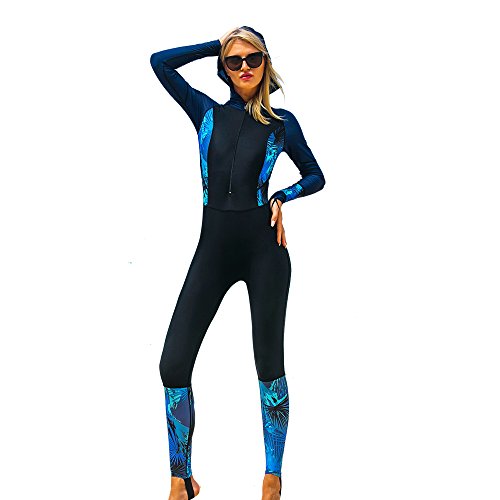
Best for: Divers and snorkelers who want a versatile suit with full-body coverage and quick-drying properties. The long-sleeve design and back-zip entry offer a snug fit that reduces drag while enabling easy entry and exit.
Caution: While protective, it may not substitute for a wetsuit in very cold water; consider layering if temperatures drop significantly.
Buying Guide: Lycra and Rash Guards for Snorkeling
What should you consider when choosing a lycra suit for snorkeling?
- Protection level: UPF ratings matter for long sun exposure. Higher UPF means better sun defense.
- Material and stretch: A blend with spandex or elastane offers better mobility and comfort for swimming and paddling.
- Fit and entry: Front-zip designs are easier to put on and take off, especially after water activities. Ensure a snug fit to reduce drag.
- Temperature range: Thicker neoprene provides warmth in colder water, while thinner fabrics dry quickly and stay comfortable in warm seas.
- Durability: Flat-lock seams and reinforced stitching improve long-term wear in reef and rocky environments.
- Versatility: If you plan multiple water sports, choose a suit that works well for snorkeling, swimming, and light surfing.
Frequently Asked Questions
- Do lycra rash guards provide sun protection?
Yes, many options include UPF 50+ coatings to protect skin from harmful UV rays. - Is neoprene better than lycra for snorkeling?
Neoprene offers thermal insulation, but lycra is lighter, dries faster, and is more flexible for warm-water snorkeling. - How should I size a lycra suit?
Follow the manufacturer’s size chart; if between sizes, choose the larger for comfort or check return options. - Can I wear a lycra suit over a swimsuit?
Yes, it’s common to wear a rash guard or dive skin over a swimsuit for added protection. - What maintenance is needed for these suits?
Rinse with fresh water after saltwater use, air-dry away from direct sun, and avoid harsh detergents.