Best Popular Marathon Running Shoes for 2026: Top Picks for Every Runner
Looking for the most popular marathon running shoes that balance speed, cushioning, and durability? This guide highlights five top choices that cater to different running styles and needs. Whether you’re aiming for a personal best, training for long miles, or racing in specific conditions, these models are widely favored by runners and recommended for road marathons across the United States.
Overview for quick reference:
- Asics Men’s NOVABLAST 5 — Great for tempo runs and daily training.
- Saucony Men’s Endorphin Speed 5 — Ideal for fast workouts and speed-focused racing.
- Saucony Unisex Hyperion Elite 5 — Lightweight racing shoe for fast marathon splits.
- Adidas Women’s Adizero Evo Sl — Responsive and versatile for mixed workouts.
- Asics Men’s Gel-Nimbus 28 — Cushioned daily trainer for long miles.
| Product | Brand | Best For |
|---|---|---|
| Men’s NOVABLAST 5 Running Shoes | Asics | Daily training and tempo efforts |
| Men’s Endorphin Speed 5 Sneaker | Saucony | Speed workouts and race-day efforts |
| Unisex Hyperion Elite 5 Neutral Race Running Shoe | Saucony | Fast marathons and quick workouts |
| Womens Adizero Evo Sl W | Adidas | Versatile performance and racing |
| Men’s Gel-Nimbus 28 Running Shoes | Asics | Long-distance comfort and daily miles |
Men’s NOVABLAST 5 Running Shoes

Best for: daily training and tempo runs. The NOVABLAST 5 typically emphasizes a responsive midsole with a lively feel that helps runners maintain steady paces on long runs. This model is well-suited for runners who want cushioning without sacrificing energy return.
Why selected: It’s a popular option for those who want a balanced daily trainer that can also handle faster intervals, making it a versatile addition to marathon-focused training blocks.
Limitations: A firmer ride may be less forgiving on very long easy days for some runners. Consider a softer alternative if you prioritize plushness on easy miles.
Men’s Endorphin Speed 5 Sneaker

Best for: speed workouts and race readiness. The Endorphin Speed 5 is designed to blend speed with efficiency, offering a snappy ride that helps maintain pace during intervals and tempo runs. It’s a strong choice for marathon training phases focused on speed work.
Why selected: This shoe is recognized for its light frame and responsive plate-like feedback, aiding efficient turnover during fast sessions. It’s a reliable option when you need to push pace without added weight.
Caution: Some runners may prefer more cushion on long easy miles; consider pairing with a more cushioned trainer for high-mileage weeks.
Unisex Hyperion Elite 5 Neutral Race Running Shoe for Men & Women

Best for: fast marathons and racing. Hyperion Elite 5 is designed for speed with a lightweight upper and a performance-focused midsole, making it a competitive option for tempo and race-day efforts.
Why selected: It’s a go-to for runners who want a race-day capable shoe that doesn’t add excess weight, helping with quick turnover and efficient stride in longer races.
Limitations: May feel less forgiving for those needing more underfoot cushion during long training days; pairing with a cushioned trainer can balance overall mileage needs.
Womens Adizero Evo Sl W

Best for: versatile performance and racing for women. Adizero Evo Sl W focuses on speed-oriented design and responsive energy return, suitable for half-day workouts through race pace sessions.
Why selected: Its balance of lightness and propulsive feel makes it attractive for runners seeking a nimble option without sacrificing too much cushion during marathon training weeks.
Advice: Some runners may prefer a bit more cushioning for longer training runs; consider a different model for heavy weekly mileage if comfort is a priority.
Men’s Gel-Nimbus 28 Running Shoes
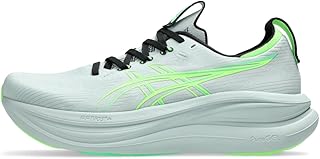
Best for: long-distance comfort and daily miles. The Nimbus 28 provides substantial cushioning designed to absorb impact over many miles, supporting sustained marathon training blocks.
Why selected: Ideal for runners who value plush underfoot comfort and reliability during high-mileage weeks, making it a steady choice for those who prioritize form and recovery between sessions.
Limitation: The extra weight from cushioning can be less responsive in sprint-focused workouts; pair with lighter shoes for speed days if necessary.
Buying Guide: How to Choose the Right Marathon Shoe
- Foot type and pronation: Know your arch height and stride. Some shoes offer stable builds for overpronators, while others emphasize speed with a more minimal feel.
- Cushioning vs. responsiveness: Longer runs benefit from cushioning; racing-focused models prioritize energy return and lightness. Balance weekly mileage with desired feel.
- Weight and stability: Lighter shoes aid turnover, but may sacrifice some stability. If you need extra support, look for stability features or consider pairing with a supportive daily trainer.
- Upper fit and material: A secure, breathable upper reduces hotspots on long runs. Try to find a model with a snug heel counter and comfortable toe box.
- Durability and wear patterns: Consider the typical diameter of your runs. Durable midsoles are beneficial for high-mileage weeks, while racing shoes excel at performance days.
Comparison Snapshot
- Best for daily training: Men’s NOVABLAST 5 and Men’s Gel-Nimbus 28
- Best for speed work: Men’s Endorphin Speed 5 and Unisex Hyperion Elite 5
- Best for racing range: Womens Adizero Evo Sl W and Unisex Hyperion Elite 5
Frequently Asked Questions
- What should I consider first when choosing marathon shoes? Focus on cushioning, weight, and fit for your individual running style and weekly mileage.
- Are racing shoes suitable for daily training? Yes, but many runners reserve racing models for speed workouts and race days to preserve the life of the midsole.
- Which is better for long runs: Cushioned or lightweight shoes? Cushioned shoes offer comfort over long miles; lightweight shoes help with cadence and speed. Many runners use a mix.
- How often should I replace marathon shoes? Replace when the midsole feel breaks down, discomfort increases, or after roughly 300-500 miles depending on usage and model.
- Can I wear the same shoes for training and racing? It’s common to train in a daily trainer and race in a lighter, race-specific model for optimal performance.
- Do these shoes accommodate different foot shapes? Most models offer varying widths and midfoot fits; try on if possible or check return policies when buying online.