
Best Quiet Bike Trainers for Home Use in 2026
When choosing a quiet bike trainer, look for low-noise flywheels, magnetic or fluid resistance, and solid stability. This guide focuses on models that minimize whir and vibration while delivering realistic rides. Ideal buyers include commuters needing a daytime setup, beginners seeking low-maintenance workouts, and serious cyclists training indoors during bad weather. The table below highlights five top options and who they’re best for, helping you compare at a glance.
| Product | Best For | Notes |
|---|---|---|
| Sportneer Bike Trainer | Budget-friendly silent option | 6 resistance levels, simple setup |
| Alpcour Bike Trainer Stand (Magnetic) | Balanced quiet performance | Six resistance levels, wide base |
| ThinkRider X2Max Smart Trainer | Smart software integration | Up to 2000W, tilting resistance |
| Sunny Health & Fitness Smart Mini Cycle | Desk-friendly, ultra-compact | Under-desk design, mesh belt |
| Alpcour Fluid Bike Trainer Stand | Most realistic road feel | Progressive resistance, near-silent |
Sportneer Bike Trainer
Sportneer offers a budget-friendly, mostly quiet magnetic trainer with 6 resistance levels. This option is best for casual riders or beginners who want a simple setup without a heavy investment. It’s a practical entry point for those who ride a few times per week and value straightforward adjustability.
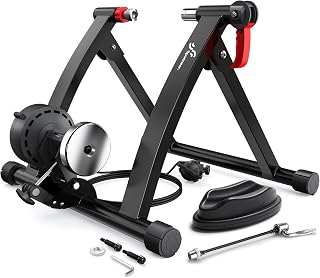
Best for budget-conscious buyers who want a simple, low-maintenance trainer for occasional season-long use. Caution: assembly and alignment can be a bit fiddly for first-time setup.
Alpcour Magnetic Bike Trainer Stand

Alpcour’s magnetic trainer offers six resistance levels and a stable base. It’s best for riders who want a quiet, mid-range option that can accommodate most mountain and road bikes. The magnetic resistance keeps noise low and maintenance simple, making it suitable for apartment setups.
The product is well-suited for cyclists seeking a reliable, balanced trainer with straightforward controls. Best for steady workouts, beginners, and those prioritizing a quiet ride. Limitation: magnetic models may feel less immersive than fluid systems at very high resistance.
ThinkRider X2Max Smart Bike Trainer
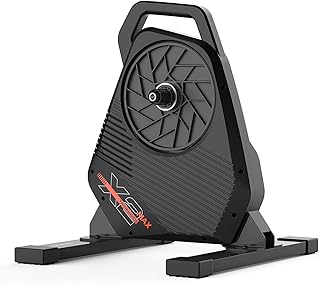
ThinkRider X2Max is a high-power trainer with 2000W output and tilt-simulation of 18%. It supports BLE and ANT+ connectivity and is compatible with cycling software like ZWIFT. Best for enthusiasts who want smart features and precise power data for structured workouts.
Best for riders who want software integration and realistic feedback. Caution: setup can be more complex, and cassette compatibility should be checked with your bike.
Sunny Health & Fitness Smart Mini Cycle

Sunny Health & Fitness Mini Cycle is an under-desk model with mesh-belt resistance and connectivity via SunnyFit app. It’s best for office workers, seniors, or anyone needing a compact, quiet way to stay active during work hours. The low-profile design minimizes space while still offering meaningful resistance.
Best for people who need a desk-friendly, ultra-quiet option. Limitation: under-desk design can feel less like a real cycling experience and may have limited high-resistance performance.
Alpcour Fluid Bike Trainer Stand

Alpcour’s fluid trainer emphasizes near-silent operation and progressive resistance. The resistance increases as you pedal faster, offering a road-like feel for both road and mountain bikes. Best for serious riders who want a natural ride experience at home.
Advantage: very quiet, realistic feel. Limitation: higher price and more complex setup than magnetic units.
Buying Guide: Key Considerations For A Quiet Bike Trainer
- Noise level: Prioritize fluid or magnetic systems with reinforced housings and low-friction components to minimize whir and squeaks.
- Resistance type: Magnetic offers low maintenance and consistent feel; fluid provides the most road-like feedback at higher speeds.
- Compatibility: Check wheel size compatibility (26-28″ and 700C), bike frame compatibility, and cassette arrangements where applicable.
- Stability and footprint: A wide base and integrated front wheel riser block improve balance and reduce vibrations on wooden or tile floors.
- Connectivity and software: BLE/ANT+ support and cycling software compatibility (e.g., ZWIFT) suit data-driven training.
- Portability and storage: Foldable designs or compact footprints help in small living spaces.
- Maintenance: Look for simple assembly, easily replaceable parts, and readily available replacement components.
Which type should you choose?
- Quiet, budget-friendly: Magnetic trainers with 6–8 resistance levels offer a good balance of cost and quiet operation.
- Best realism: Fluid trainers deliver a natural feel but can be more costly and heavier.
- Smart training: If you want interactive workouts, check for ANT+/BLE compatibility and software ecosystems.
Practical tips for setup and use
- Place on a rug or mat to dampen vibrations and protect floors.
- Center your bike in front of the trainer to distribute weight evenly.
- Regularly inspect resistance bands or flywheels for wear and lubrication needs as recommended.
FAQ
- What makes a trainer quiet?
- Quiet operation typically comes from magnetic or fluid resistance, quality bearings, and a stable stand design.
- Do all quiet trainers fit 26-28″ wheels?
- Most do, but always verify wheel size compatibility with the product listing.
- Is software integration important?
- For data-driven workouts and virtual riding, BLE/ANT+ compatibility and software like ZWIFT are helpful.
- Are fluid trainers worth the extra cost?
- They provide the most realistic road feel, especially at higher speeds, but at a higher price and weight.