
Best Practice Tennis Balls for Kids: Low-Compression Picks for Beginners
Answering a parent’s search for kid-friendly tennis balls: these low-compression, kid-focused balls are designed to reduce speed and bounce for easier learning. They’re ideal for beginners, younger players, and those transitioning from smaller rackets. The top picks below are suited for practice at home, school programs, or beginner-friendly clinics. The table summarizes who each product is best for.
| Product | Best For | Why It Stands Out |
|---|---|---|
| Youth Felt Tennis Balls, Low Compression for Kids, Beginners | Young beginners | Low compression core reduces speed and bounce for easier rallies. |
| Wilson Sporting Goods Youth Tennis | Kids learning basic strokes | Trusted brand with kid-sized feel and consistent bounce. |
| Magicorange Tennis Balls, 20 Pack Low Compression Stage Tennis Ball | Group practice / classrooms | Large pack, low-commitment price per ball, consistent low bounce. |
| Hanaive 24 Pack Tennis Balls for Kids Beginners Practice | Home practice & clinics | Affordable bulk option with kid-sized playability. |
| GAMMA Quick Kids Training Tennis Balls | Under-10 tournaments & drills | Low-Compression Core reduces speed and bounce; ITF/USTA approved for youth events. |
Youth Felt Tennis Balls, Low Compression for Kids
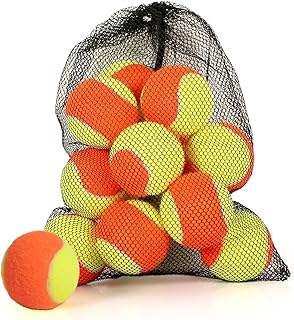
Best for younger beginners who need slower ball speed to build confidence and proper stroke mechanics. The low-compression core reduces velocity and rebound, making it easier to rally and sustain practice. Suitable for young players transitioning from tikes to full-size balls. May be used on smaller courts or with shorter rackets.
Who it’s best for: new players aged 5–10, coaches running beginners sessions, and families practicing at home. Why chosen: optimized for slow pace and easy handling, which supports early technique development. Caution: feel may differ from standard balls on certain courts; test on your court surface first.
Wilson Sporting Goods Youth Tennis

Best for beginners who prefer a well-known brand and consistent play feel. Wilson’s youth tennis balls are designed to offer predictable bounce and durability for early matches and drills. They’re a solid bridge between practice balls and standard-size balls as kids progress.
Who it’s best for: families and schools seeking dependable performance and brand familiarity. Why chosen: consistent bounce helps maintain rhythm in lessons. Caution: slightly firmer feel than ultra-soft low-compression options; choose this if your player needs a more traditional ball at a slower pace.
Magicorange Tennis Balls, 20 Pack
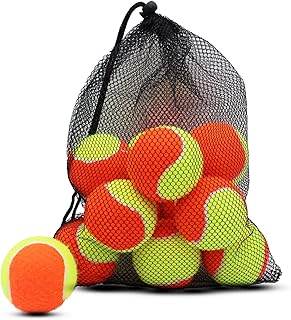
Best for bulk practice and group classes where multiple players rotate in drills. These balls are designed with a low compression core to reduce bounce and speed, helping kids develop stroke technique in a controlled tempo. Ideal for clinics, PE classes, or family drills.
Who it’s best for: coaches conducting large groups, families on a budget, and schools. Why chosen: value-packed option with uniform play characteristics. Caution: bulk packaging may include varying pack counts; verify quantity before use in organized sessions.
Hanaive 24 Pack Tennis Balls for Kids Beginners

Best for home practice and entry-level lessons where many balls are required. The 24-pack provides enough quantity for repetitive drills, keeping players engaged without frequent ball pickups. Low- to mid-range bounce helps maintain rally consistency for beginners.
Who it’s best for: households with multiple young players, beginner-rated clinics, and school programs. Why chosen: affordable bulk option with consistent, kid-friendly feel. Caution: some players may outgrow these balls quickly as technique improves.
GAMMA Quick Kids Training Tennis Balls

Best for structured drills and under-10 tournaments. These balls feature a low-compression core to slow progress, aiding reliable placement and control during training. Approved for youth competition, making them suitable for clinics that mirror match play.
Who it’s best for: coaches preparing players for early tournaments, parents seeking tournament-ready practice, and clubs running youth programs. Why chosen: balance between controllable bounce and real-game feel. Caution: not ideal for players who need a softer feel beyond typical low-compression balls.
Buying Guide
What to consider when choosing practice tennis balls for kids:
- Age and skill level: younger or complete beginners benefit from very low compression to reduce bounce.
- Surface consistency: some balls perform best on hard courts, others on courts with softer surfaces; test on your court type.
- Pack size and cost per ball: bulk packs lower per-ball cost but require storage and rotation to prevent loss.
- Brand and durability: reputable brands offer consistent bounce and longer playability with repeated hits.
- Competition readiness: if preparing for beginner tournaments, choose balls that legally meet youth competition standards.
Frequently Asked Questions
- What makes a ball “low compression”?
- Are low-compression balls better for beginners than standard balls?
- How many practice balls should I buy for a family?
- Can these balls be used for tournaments?
- Should I mix different brands?
- How should I store tennis balls?
Low compression means the ball’s core is softer, producing slower speed and a lower bounce, which aids beginner control.
Yes, for most kids learning groundstrokes and serves, low-compression balls help build confidence and proper technique.
For home practice with 1–2 kids, a 24-pack to 40-pack often balances variety and cost; clubs may opt for larger bulk packs.
Some are designed to be used in youth play; check each item’s official guidelines to ensure compliance for approved events.
Mixing brands is possible, but maintain consistency in bounce and speed during a single practice session to avoid confusing the player.
Keep them in a cool, dry place away from direct sunlight to preserve the compression and bounce characteristics.