
Best Racing Suits for Swimming: Top Jammers and Tech Suits for Competition
Answering the question of which racing suits best support competitive swimmers, this guide highlights five highly relevant options. These suits are suited for athletes seeking durability, speed, and compression without sacrificing mobility. Best for club swimmers, college athletes, and serious lap swimmers who want consistent performance through long sessions or race days, these picks balance chlorine resistance, fabric weight, and a secure fit. Below is a quick product snapshot to help you compare key features at a glance.
| Product | Best For | Key Benefit |
|---|---|---|
| TYR Men’s Durafast One Jammer | Male swimmers in training and competitions | Durable 100% polyester with up to 20x strength and 4-way stretch |
| BeautyIn Women’s Boyleg One Piece | Women seeking modest coverage | Quick-drying, chlorine resistant with sewn-in support |
| Arena Women’s Powerskin St Next | Racing-focused female swimmers | Lightweight, recycled fabrics, tight compression |
| Eteoepo Men’s Jammers | Men needing full coverage with design options | Chlorine resistant, quick-dry with ergonomic panels |
| Speedo Women’s Eco Pro LT | Eco-conscious athletes | 80% recycled polyester blend with stretch |
TYR Men’s Durafast One Jammer

The TYR Durafast One Jammer emphasizes durability and mobility. It uses 100% polyester with up to 20 times the durability of traditional fabrics, designed to resist chlorine while maintaining a snug compression fit above the knee. This makes it best for swimmers who want long-lasting wear in frequent training and competition. The four-way stretch offers secure yet flexible movement, and the adjustable drawcord waist helps tailor the fit for comfort. A potential caveat is that heavier fabrics can feel stiffer at first for new users; breaking in may be needed.
BeautyIn Women’s Boyleg One Piece Racerback

This athletic one-piece offers moderate coverage with quick-drying, lightweight, chlorine-resistant fabric. It’s ideal for swimmers seeking comfort with performance during racing, training, and even surfing. The wirefree design with sewn-in soft padding and an elastic chest band provides additional support. Choose this if you want a classic one-piece with practical coverage and integrated support, but be aware that the fabric composition may limit extreme compression compared with dedicated racing tech suits.
Arena Women’s Powerskin St Next Open Back

The Powerskin St Next stands out as a lightweight, sustainable racing suit for women. It uses recycled yarns to reduce environmental impact while aiming to reduce water absorption and drag. This suit is designed for a tight, compressive fit to maximize speed and durability for serious racers. The caveat is that this level of compression requires a precise fit; selecting the correct size is critical for optimal performance and comfort.
Eteoepo Men’s Jammers

These jammers prioritize a balance of durability and comfort with a chlorine-resistant polyester-spandex blend. The ergonomic V-cut panel and mesh liner support core stability during workouts, while flatlock seams minimize irritation. They are best for swimmers who want reliable training gear with stylish patterns, but the printed designs may fade with heavy chlorine exposure over time—regular care can help extend life.
Speedo Women’s Eco Pro LT One Piece
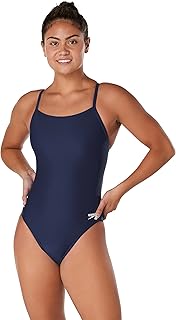
The Speedo Eco Pro LT features 82% recycled polyester and 18% spandex, combining durability with comfort. This fabric blend supports long hours in chlorine-rich pools while maintaining stretch for recovery after strokes. It’s well-suited for eco-conscious swimmers who want a balance of performance and sustainability. A limitation to consider is that recycled fabrics can vary slightly in feel between batches, which may affect fit consistency across different production runs.
Buying Guide
What materials provide the best balance of speed and durability?
Look for fabrics with high polyester content for chlorine resistance and long wear. Four-way stretch improves mobility, while blends like recycled yarns can offer durability with environmental benefits. Avoid blends that feel heavy or sluggish in the water.
How important is size accuracy for racing suits?
A tight, compressive fit reduces drag and improves speed but must not restrict breathing or arm movement. Open back designs increase ventilation for comfort during longer sessions. Always consult size charts and consider a trial fit when available.
Which features affect performance most in training vs. competition?
For training, durability and comfort are key, along with fit stability over time. For competition, compression, reduced drag, and fabric weight matter more. Recycled or lightweight fabrics can help on race day by lowering water absorption.
What should I know about care and longevity?
Rinse with clean water after use to remove chlorine. Avoid hot water, heavy detergents, and prolonged sun exposure. Some fabrics fare better with air drying than machine drying. Regular care extends the life of the suit, especially if you swim often.
How do I choose between a jammer and a one-piece?
Jammers provide more coverage and can be easier to adjust during workouts, while one-pieces tend to offer more form-fitting support in the torso. For training or mixed workouts, jammers can be a practical choice; for shorter swims or events, a streamlined one-piece may offer lower drag.
What about eco-friendly options?
Options like the Eco Pro LT emphasize recycled fabrics, which appeals to sustainability-minded swimmers. These suits can balance performance with environmental considerations, though fabric feel and compression can differ from traditional non-recycled fabrics.
FAQ
- What is the best suit for chlorine-heavy pools?
Durable polyester-based suits like TYR Durafast One are designed to withstand chlorine and last longer in pools with high chemical exposure.
- Do open-back designs help with cooling?
Yes, open-back designs can improve airflow, potentially increasing comfort during longer sessions or hot days.
- Are recycled-fabric suits as fast as non-recycled ones?
Advances in recycled fabrics have improved performance, but fit and compression remain critical; testing is advised to confirm speed benefits.
- How should I select a size for racing gear?
Use manufacturer size charts and, if possible, try on similar models. A tester fit should feel snug without restricting movement.
- Can I wear racing suits for casual training?
Yes, many racing suits are designed for training as well as competition, offering durability and support during frequent swims.