Best Running Shoes for Pronation Support and Stability
Answering the need for reliable pronation support, these shoes are designed to stabilize overpronation and improve gait. The top picks below target runners and walkers who want structured support, durable cushioning, and a comfortable fit for daily miles. Each choice is best for different priorities—for example, maximum stability, responsive cushioning, or a breathable upper. Use the comparison table to quickly assess key traits and decide which pair fits your stride.
| Product | Best For | Key Benefit |
|---|---|---|
| ASICS Gel-Kayano 32 | Overpronators seeking guidance and durability | 4D Guidance System for stability |
| Brooks Beast GTS 26 | Runners needing maximum stability and cushioning | GuideRails support system |
| ASICS GT-2000 13 | Eco-conscious runners needing supportive fit | Supportive jacquard mesh with sustainable materials |
| currex RunPro Insoles | Anyone needing customizable arch support | 3D Dynamic Arch Technology |
| Under Armour Charged Assert 11 | Value-focused runners needing stability and comfort | Charged+ cushioning with durable outsole |
Below are five carefully selected options, each with its own focus. Read how they suit different pronation needs and activity levels before choosing the best fit for you.
ASICS Gel-Kayano 32 Running Shoes
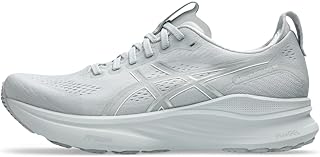
The Gel-Kayano 32 uses an engineered mesh upper for breathability and a lightweight feel, reducing the need for heavy overlays. A knit heel pull tab adds easy on/off comfort. The standout 4D GUIDANCE SYSTEM provides stability by dynamically responding under load, helping maintain alignment during runs. This model is best for overpronators who want reliable guidance and long-distance comfort. Caution: some runners may prefer a softer ride if seeking maximum plushness in cushioning.
Brooks Beast GTS 26 Running Shoe

The Beast GTS 26 emphasizes maximum stability with the Guiderails Holistic Support System, keeping excess movement in check and aligning your stride. The nitrogen-infused DNA LOFT v3 midsole offers durable, plush cushioning that remains responsive. This shoe is best for runners who need solid, all-day stability and a roomy fit for motion control. Caution: some users may find it heavier than lighter daily trainers.
ASICS GT-2000 13 Running Shoes

The GT-2000 13 uses a jacquard mesh upper for support and comfort, with a focus on sustainability—at least half of the upper material comes from recycled content. The sockliner is made with a solution-dyed process to reduce water usage and emissions. This shoe suits runners who value environmental considerations alongside supportive fit and reliable performance. Caution: the emphasis on eco-friendly materials may slightly affect the upper structure in some fits.
CURREx RunPro Insoles

RunPro insoles offer targeted arch support and flexible cushioning from heel to toe, designed to reduce fatigue and support stability across gait cycles. Featuring 3D Dynamic Arch Technology with low, medium, and high profiles, they fit many shoe types and promote better alignment. Best for runners who want customizable arch support and a zero heel drop to adapt to most running shoes. Caution: insoles require trimming for a perfect fit in some footwear.
Under Armour Charged+ Assert 11

The Charged+ Assert 11 combines an athletic mesh upper with leather overlays for midfoot support and a Cushioned midsole for soft landings. A durable outsole adds traction, while flex grooves support a smooth toe-off. The upper includes at least 30% recycled content, aligning with eco-conscious buyers. Best for runners seeking solid stability at a good value with everyday comfort. Limitation: older midsole geometry may feel less responsive for fast, tempo runs.
Buying Guide
What to consider when choosing pronation-support shoes
- Stability vs. cushioning balance: Prioritize models with guidance systems and supportive frameworks if overpronation is a primary concern.
- Upper construction: Breathable, structured uppers help keep the foot secure without overheating during long runs.
- Midsole feel: Look for adaptive midsoles or dual-density foams that provide a stable base with enough bounce for comfortable miles.
- Weight and fit: Heavier stability shoes can still feel comfortable if the fit is right; try on with your typical running socks and insoles.
- Insoles and customization: Removable insoles or option to add custom orthotics can enhance stability for specific arch types.
- Materials and sustainability: Consider recycled upper content and dyeing processes if eco-friendliness matters to you.
Frequently Asked Questions
- What does pronation stability mean in running shoes?
It refers to shoe design that helps control inward foot rolling and guides the stride for a more neutral landing. - Who should wear stability shoes?
Runners and walkers who overpronate or seek extra support for the knees and hips during runs. - Can insoles replace stability shoes?
Insoles can enhance support, but they may not fully replace a stability shoe for severe overpronation. - Are eco-friendly materials worth it for pronation shoes?
Yes, they can offer comparable support while reducing environmental impact, though feel may vary by model. - How should I choose between the options listed?
Consider your typical mileage, terrain, and whether you prioritize maximum stability, cushioning, or a lighter feel. - Is there a risk of over-support?
Wearing too rigid a shoe can reduce natural foot movement; balance your needs with comfort and your gait pattern.