
Best Tennis Gloves for Cold Weather: Stay Warm While Playing Your Best
Answering the demand for warm, functional hand protection, these gloves and mitts are ideal for tennis players facing chilly conditions. The top picks below are best for different types of buyers: touch-screen users, warm-up specialists, and players who need grip without sacrificing dexterity. This guide highlights five products that balance warmth, grip, and mobility, helping you choose the right option for cold-weather sessions.
Summary of selected products:
- Tourna Hot Glove Mitt Hand Warmer for Tennis and Pickleball — best for warmth without sacrificing tactile feel.
- Unigear Lightweight Running Gloves — best for touchscreen use during commutes or warm-ups.
- SIMARI Winter Gloves — best for everyday warmth and reliable grip with anti-slip palm.
- Aerynx Lightweight Running Winter Gloves — best for 41–59 °F conditions and wind resistance.
- Aerynx 3-Layer Winter Gloves — best for layered warmth in moderate cold and daily activities.
The following sections detail each product, its best-use scenario, and practical buying considerations.
Tourna Hot Glove Mitt: Warmth With Easy Access

The Tourna Hot Glove Mitt is designed to keep hands toasty during cold-weather play without fully enclosing the fingers. Best for players who value tactile feel and quick on/off access between serves and rallies. The dual-opening design simplifies putting the glove on and allows you to insert a racquet or paddle handle through the top.
Who it’s best for: players who prioritize warmth on the court but still need accurate touch and grip for shots. The mitt format supports warm-ups, practice, and matches.
Why chosen: It delivers targeted warmth while preserving hand movement and feel, a common challenge for bulkier gloves. Use this when you want a mitt that won’t dull precision on contact.
Caution: It may feel bulkier for some players during rapid volleys or quick grip changes compared with minimalist gloves.
Unigear Lightweight Running Gloves

These gloves offer warmth with breathability and touchscreen compatibility. They are well-suited for warm-ups, court-side coaching, or transitions from outdoor activities to indoor practice. The conductive tips enable easy use of smartphones and devices without removing gloves.
Who it’s best for: players who frequently use a phone for practice notes, scheduling, or coaching apps, and want a lightweight layer that won’t impede grip.
Why chosen: The combination of warmth, moisture-wicking, and touch compatibility makes them versatile for mixed outdoor–indoor sessions.
Caution: The gloves are best for mild cold; for deeper cold, consider layering or a heavier option as a standalone glove may not provide full warmth in extreme conditions.
SIMARI Winter Gloves: Warmth With Gentle Grip

SIMARI’s thermally lined gloves provide a warm option with a soft fleece interior and a no-slip palm. They’re designed for everyday winter use, including running, cycling, and casual court drills. The fabric blends offer warmth without bulk, and the gloves include reflective patterns for low-light visibility.
Who it’s best for: players seeking reliable warmth for routine outdoor sessions and a dexterous feel with decent grip for equipment handling.
Why chosen: The combo of fleece lining, anti-slip palm, and reflective details makes them practical for winter practice on and off the court.
Caution: Not fully waterproof; use a shell during persistent rain or snow exposure to maintain dry hands over longer sessions.
Aerynx Lightweight Winter Gloves: Flexibility And Touch

These gloves deliver warmth with a stretch fleece shell and a 320 gsm inner layer designed for 41–59 °F conditions. They feature upgraded conductive yarn on the thumb, index, and middle fingers for precise touchscreen use, making them suitable for players who need quick access to devices or coaching apps during cold-weather sessions.
Who it’s best for: players who want reliable warmth plus handy touchscreen compatibility, suitable for early-season practices and pre-game routines.
Why chosen: The balance of warmth, breathability, and touchscreen capability helps maintain workflow without removing gloves.
Caution: Not fully windproof in heavier gusts; pairing with a windbreaker can optimize protection in harsher conditions.
Aerynx 3-Layer Winter Gloves: Layered Protection
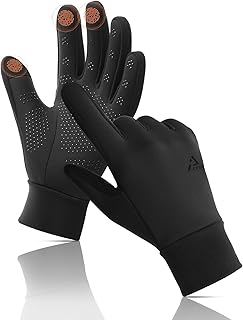
Designed with a three-layer build, these gloves deliver wind-blocking mid-layer warmth with a 320 gsm fleece inner layer for cold-weather warmth without bulk. They’re best used in 32–50 °F conditions, with layering recommended for extreme cold. The design prioritizes daily warmth for commuting, hiking, and casual sports on frigid days.
Who it’s best for: players who need a warm, multi-layer option that remains flexible for grip and movement, especially during longer practice sessions outside.
Why chosen: The layered approach provides robust insulation while maintaining finger dexterity and grip, a practical choice for extended cold-weather play.
Caution: Under 25 °F, additional outer weather protection such as a shell becomes important to maintain warmth during extended outdoor activity.
Buying Guide: Key Considerations For Cold-Weather Tennis Gloves
- Warmth vs. dexterity: Decide if your priority is maximum warmth (mitt style) or finger flexibility (gloves with touch screens).
- Touchscreen compatibility: If you frequently use devices during practice, prioritize conductive fingertips or gloves specifically designed for touchscreens.
- Weather resistance: For wet conditions, choose gloves with water-repellent or windproof features and consider layering in heavier cold days.
- Fit and bulk: Ensure a snug fit to preserve grip strength. Bulkier gloves can hinder shot control and quick grip changes.
- Layering strategy: In very cold climates, pairing light gloves with a heavier outer layer can optimize warmth without sacrificing mobility.
- Grip and durability: Look for anti-slip palms or silicone grip patterns that help maintain a secure hold on rackets and accessories.
- Usage patterns: Warm-up only? All-day practice? Consider gloves that balance on-court performance with warm-up efficiency.
Frequently Asked Questions
- What glove type is best for extremely cold days? A three-layer or double-layer setup with a wind-blocking outer shell plus a warm inner layer tends to provide the best insulation, while ensuring enough dexterity for racket handling.
- Are touchscreen gloves worth it for tennis? If you frequently use devices during practice or travel, touchscreen-capable gloves can improve convenience without sacrificing performance.
- Can I wear gloves during serves and volleys? Some players prefer mitts for warmth during rest periods; others opt for lightweight gloves with good grip for faster exchanges. Choose according to your comfort and control needs.
- Should I layer gloves for very cold weather? Layering can be effective, but ensure the inner layer remains breathable to avoid overheating and sweat buildup during play.
- What should I look for in grip protection? Anti-slip palms and well-designed grip patterns help maintain control on the racquet and reduce the chance of slipping during intense rallies.
- Is waterproof protection necessary for winter tennis? In light snow or drizzle, water-repellent materials are beneficial, but fully waterproof gloves can limit breathability; consider a shell for prolonged exposure.