
Best Wetsuits for Sailing Dinghies: Stay Warm, Move Freely, Sail Safer
Top wetsuits for sailing dinghies deliver flexible movement, durable protection, and reliable warmth in breezy, spray-filled conditions. This guide highlights five well-suited options for dinghy sailors, from entry-level divers to advanced enthusiasts. Whether you’re racing or cruising, these picks balance mobility with weatherproof features. The buyer-friendly table below helps compare core details at a glance.
| Product | Best For | Key Feature |
|---|---|---|
| Gill Pursuit 4/3mm | Warmth in cool water | Glued and blindstitched with Di-Guard knees |
| O’Neill Reactor-2 3:2mm | Lightweight warmth | Back zip for easy entry |
| Hevto 3/2mm Front Zip | Budget flexibility | 16 size options |
| NAVIS MARINE PRO Offshore | Rugged offshore use | GORE PRO-TEX technology |
| Lemorecn 3/2mm | Easy entry, flexible | Back zipper with secure fit |
Gill Mens Pursuit 4/3mm Neoprene Full Wetsuit

Best for cold-water sailing and multi-sport use, this 4/3mm wetsuit uses zoned neoprene for full coverage with flexible movement. Glue-and-blindstitched seams and internal taping help keep heat in and water out. A mesh skin chest/back panel adds core warmth, while a double-lined Glideskin collar reduces cold flush and remains comfortable for day-long wear. Di-Guard kneepads provide extra wear protection, making it a solid choice for dinghy enthusiasts who face persistent spray and wind chill.
Who this is for: sailors who regularly encounter cool to cold water and need a durable suit that maintains mobility for tacking, hiking, and gusty conditions. Caution: the size range shown is limited to specific measurements; please verify fit before purchase.
O’Neill Reactor-2 3:2mm Back Zip Full Wetsuit

This entry-level wetsuit emphasizes lightweight warmth and flexibility, ideal for sailors new to dinghy sailing or those who sail in milder waters. The back-zip design allows easy entry and exit, while Ultra Stretch neoprene delivers a soft, flexible feel for comfortable movement on the helm or through daggerboard maneuvers. It’s a practical pick for casual days of paddling, small-boat sailing, or lake racing.
Who this is for: sailors seeking an affordable, easy-to-wear suit that still offers good mobility. Caution: not the warmest option for consistently cold environments.
Hevto Men Wetsuit 3/2mm Front Zip

With 3/2mm neoprene and a front-zip entry, this wetsuit aims to balance warmth and ease of use for a wide range of water activities. It highlights wind protection, sunburn prevention, and abrasion resistance through reinforced knees. The extended size options support a better fit for a variety of body types, making it a versatile option for dinghy sailors who value comfort and adjustable fit during long days on the water.
Who this is for: sailors needing a flexible, temperature-appropriate wetsuit with straightforward entry. Caution: data notes emphasize general use; expect standard wear for frequent abrasion on rugged decks.
Men’s PRO Offshore Sailing Suit
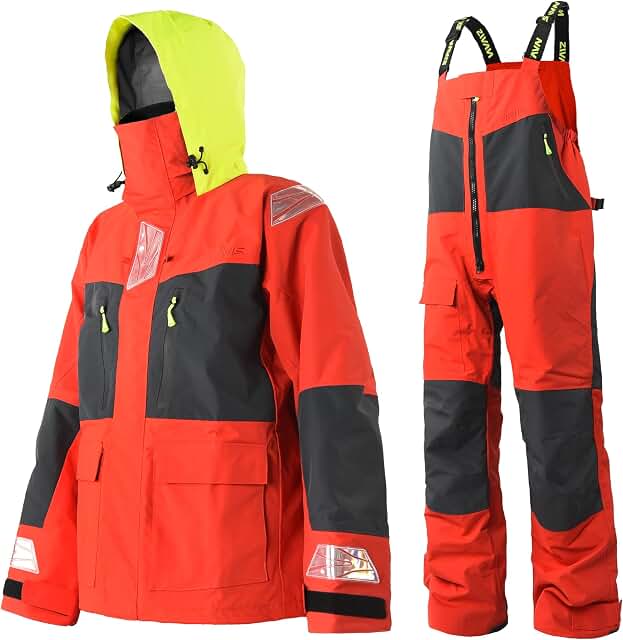
This set pairs a three-layer Gore-Tex Ocean Technology sailing jacket with waterproof bib pants for maximum wet-weather protection. The hi-vis hood and reflective details boost visibility, while reinforced hips and knees deliver durability for rough decks and offshore conditions. The design prioritizes extreme breathability and weather resistance, making it suited for serious coastal racing and foul-weather sailing.
Who this is for: sailors facing harsh conditions who need dependable waterproof protection and high durability. Caution: high-end protection comes with heavier bulk and cost considerations, which may matter for casual dinghy use.
Lemorecn Men’s Wetsuit 3/2mm

This 3/2mm full wetsuit emphasizes easy entry with a back zipper and secure fit, paired with a 3mm torso and 2mm sleeves for warmth and mobility. Anti-abrasion knee pads extend durability on deck or rocky shorelines. The YKK zipper and flatlock seams reduce chafing, making it practical for longer dinghy sessions and rough-handle environments.
Who this is for: sailors who want straightforward entry and a flexible suit that still protects in mild-to-mild-warm water. Caution: performance in very cold water may be limited compared to thicker options.
Buying Guide
- What water temperature are you sailing in? Choose thickness (3/2mm, 4/3mm, or more) based on typical air/water temps and wind exposure.
- How important is ease of entry? Back zippers are common for quick donning, while front zippers offer more secure fit but can be less convenient.
- How rugged is your dinghy deck? Select suits with reinforced knees or anti-abrasion panels if you frequently rub against rails or hulls.
- Do you value extra visibility? Off-shore or high-wind sailors may prefer hi-vis accents and reflective details for safety.
- Fit and layering: consider chest size, torso length, and arm length. A snug fit reduces water ingress and increases warmth, while flexibility supports tacking and hiking.
- Integrated features: collars, cuffs, and seals influence comfort and warmth. Look for seamless or taped interiors to minimize leaks.
Frequently Asked Questions
- What wetsuit thickness is best for dinghy sailing? Depends on water temperature; 3/2mm to 4/3mm suits are common for temperate coastal conditions.
- Should I choose back-zip or front-zip? Back-zip favors easier entry and exit; front-zip offers potentially better water sealing and flexibility.
- Are reinforced knees worth it? Yes for frequent deck contact, better protection against wear and tear.
- Is hi-visibility gear necessary for dinghy sailing? It improves visibility in poor light or busy harbors; not mandatory, but beneficial for safety.
- How do I ensure a proper fit? Check measurements for chest, waist, and height; try to preserve mobility in shoulders and arms for steering and hiking.
- Can I wear a wetsuit over a base layer? Yes, layering can boost warmth; ensure the base layer is thin enough for comfort under the wetsuit.